Best Mulch for Your Garden and Landscape: A Complete Guide
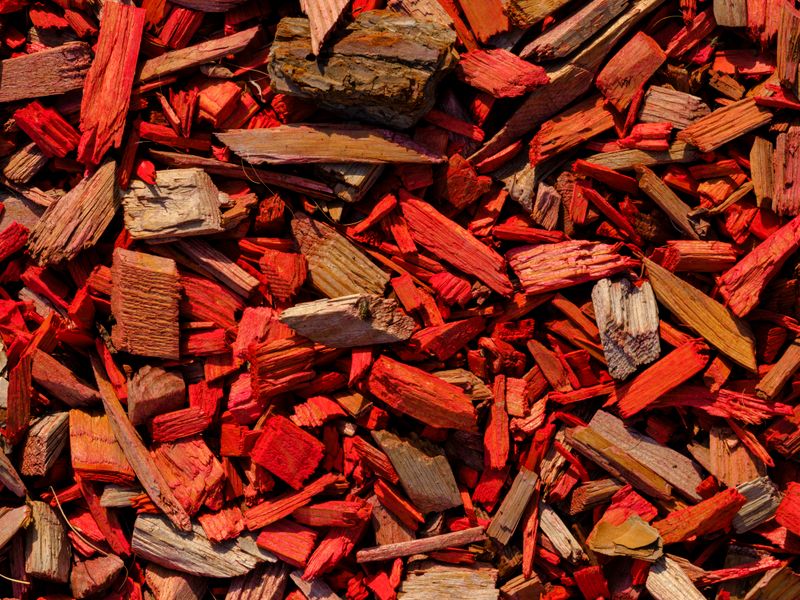
If there’s one landscaping practice that delivers the most return on the least investment, it’s mulching. A properly mulched bed can cut watering frequency in half, nearly eliminate weeding, protect plant roots from temperature extremes, and slowly build the kind of rich, living soil that plants thrive in.
But walk into any garden center and you’ll find a wall of options — shredded hardwood, pine straw, rubber nuggets, river rock, and more. Choosing the best mulch for your garden depends on the plants you’re growing, your climate, your budget, and how much maintenance you’re willing to do.
This guide breaks down every major mulch type so you can make the right call for every part of your landscape.
Why Mulch Is Essential
Before diving into types, let’s be clear on what mulch actually does — because understanding the benefits helps you match the right material to the right job.
Moisture Retention
Mulch acts as a blanket over soil, dramatically reducing evaporation. Studies consistently show that a 2-4 inch layer of organic mulch can reduce watering needs by 25-50%. That’s significant in summer heat or in drought-prone regions.
Weed Suppression
A thick mulch layer deprives weed seeds of the light they need to germinate. It won’t stop established perennial weeds with deep roots, but it dramatically reduces the annual weed pressure that makes gardening feel like a constant battle.
Temperature Moderation
Mulch insulates the soil — keeping it cooler in summer and warmer in winter. This extends the growing season, reduces frost heave on perennial roots, and buffers plants against sudden temperature swings.
Soil Improvement (Organic Mulches)
As organic mulches decompose, they feed the soil food web — earthworms, beneficial fungi, bacteria, and other microorganisms that convert organic matter into plant-available nutrients. Over time, mulched beds develop darker, more friable, biologically active soil.
Erosion Control
Mulch protects bare soil from the impact of rain droplets, which can dislodge particles and cause erosion on slopes.
Organic Mulch Types: A Complete Comparison
Organic mulches decompose over time, feeding the soil as they break down. They need to be replenished periodically, but that’s a feature, not a bug — the decomposition is where the soil-building magic happens.
Shredded Hardwood Bark
The most popular landscaping mulch in North America — and for good reason.
- Cost: $3-$5 per bag (2 cu ft); $25-$45 per cubic yard bulk
- Appearance: Rich brown, natural look that complements most landscapes
- Lifespan: 1-2 years before needing refresh
- Best for: Ornamental beds, foundation plantings, around trees and shrubs
- Pros: Widely available, knits together to resist washing on slopes, slow to decompose, attractive appearance
- Cons: Can import weed seeds if not heat-treated; fades to gray over time; some varieties may be dyed
Shredded hardwood is the go-to choice for front-yard foundation beds and mixed borders where appearance matters. Look for dye-free, double-shredded hardwood for the best quality and most consistent texture.
Wood Chips
Often confused with shredded bark, wood chips include a mix of chipped wood, bark, and sometimes leaves — especially when sourced from tree services or municipal programs.
- Cost: Free (tree services often give away chips) to $20-$30 per cubic yard
- Appearance: Coarser, more varied texture and color than shredded bark
- Lifespan: 2-4 years — decomposes more slowly than fine mulches
- Best for: Paths, woodland gardens, under trees, large naturalistic areas
- Pros: Often free or very cheap, excellent soil-building properties, long-lasting
- Cons: Can temporarily tie up soil nitrogen as it decomposes (keep away from vegetable roots); less uniform appearance
Wood chips are especially valuable under trees, where research has shown they mimic the forest floor environment that trees evolved in. The Bionutrient Food Association and arborists like Chip Lowe have championed “ramial wood chips” (chips from young branches) for their exceptional soil-building properties.
Pine Straw (Pine Needles)
The mulch of choice across much of the Southeast United States.
- Cost: $4-$6 per bale (covers 35-45 sq ft at 2 inches); less expensive in pine-growing regions
- Appearance: Rustic, natural look; golden-brown when fresh, silver-gray when aged
- Lifespan: 1-2 years
- Best for: Acid-loving plants (azaleas, blueberries, camellias, hollies), slopes, woodland gardens
- Pros: Excellent on slopes (needles interlock and resist washing), lightweight and easy to spread, slightly acidic (benefits acid-loving plants), widely available in the South
- Cons: Not ideal for plants that prefer neutral or alkaline soil; can look out of place in formal landscapes
Myth alert: Despite what you may have heard, pine straw does not significantly acidify soil. The pH effect is very minor. Plant in naturally acidic soil or amend accordingly if you’re growing acid-loving species.
Straw
Straw (not hay — hay contains seeds) is primarily a vegetable garden mulch.
- Cost: $5-$10 per bale
- Appearance: Light tan, loose, somewhat messy-looking
- Lifespan: 1 season (breaks down quickly)
- Best for: Vegetable gardens, newly seeded lawns
- Pros: Excellent moisture retention, quick decomposition builds soil fast, inexpensive, great between vegetable rows
- Cons: Can blow around in wind, decomposes in one season and needs replacing, looks casual/messy in ornamental beds. Make sure to use straw, not hay — hay contains weed seeds.
Compost
Finished compost used as a mulch layer doubles as a slow-release fertilizer.
- Cost: $4-$8 per bag (1 cu ft); $20-$40 per cubic yard bulk
- Appearance: Dark brown to black, fine texture
- Lifespan: 6-12 months (breaks down quickly)
- Best for: Vegetable gardens, annual flower beds, any beds you want to actively improve
- Pros: Feeds plants while mulching, dramatically improves soil biology, excellent moisture retention
- Cons: Breaks down quickly, can introduce weed seeds if not fully composted, expensive to buy
A 1-2 inch topdressing of compost over vegetable beds each season is one of the highest-value practices in food gardening.
Cocoa Hull Mulch
A premium, specialty mulch made from the shells of cocoa beans.
- Cost: $8-$12 per bag — premium price
- Appearance: Rich dark brown, fine texture; smells like chocolate when fresh
- Lifespan: 1-2 years
- Best for: Ornamental beds where appearance is paramount
- Pros: Beautiful, uniform appearance; pleasant scent; good moisture retention; lightweight
- Cons: Expensive; can mat and develop mold if applied too thickly; toxic to dogs (contains theobromine). Do not use in yards with dogs.
Grass Clippings
Free from your own lawn — and highly effective in the right applications.
- Cost: Free
- Appearance: Green when fresh, brown when dried
- Lifespan: Breaks down within weeks to months
- Best for: Vegetable gardens, between rows, compost pile addition
- Pros: Free, adds nitrogen as it decomposes, readily available
- Cons: Can mat and create a slimy barrier that repels water if applied too thickly; avoid using clippings from lawns treated with broadleaf herbicides (can damage garden plants); not attractive in ornamental beds. Apply in thin 1-inch layers and allow to dry between applications.
Shredded Leaves (Leaf Mold)
One of the best-kept secrets in home gardening — shredded leaves are outstanding mulch.
- Cost: Free (if you have trees)
- Appearance: Brown, variable texture
- Lifespan: 1-2 seasons
- Best for: Woodland gardens, perennial beds, vegetable gardens, under trees
- Pros: Free, excellent soil amendment as they decompose, beneficial to earthworms and soil life, whole leaves from many trees have above-neutral pH buffering properties
- Cons: Whole leaves can mat and repel water; must be shredded for best results; availability is seasonal. Use a mulching mower or leaf shredder to break them down before applying.
Inorganic Mulch Types
Inorganic mulches don’t decompose — they’re essentially permanent installations. They offer excellent weed control and longevity but don’t improve soil over time.
Rubber Mulch
Made from recycled tires, rubber mulch has grown popular for playgrounds and some landscape applications.
- Cost: $8-$15 per bag — significantly more expensive than organic options
- Appearance: Available in multiple colors (black, brown, red); holds color for years
- Lifespan: 10+ years
- Best for: Playgrounds, dog runs, areas where long-term weed suppression matters more than soil health
- Pros: Very long-lasting, doesn’t break down, available in various colors, good cushioning for play areas
- Cons: Does not improve soil; some studies show leaching of zinc and other compounds; gets very hot in direct sun; not ideal near food plants; difficult to remove once installed
Landscape Gravel and River Rock
Stone mulch creates a clean, formal, low-maintenance look.
- Cost: $30-$80 per ton depending on type and region
- Appearance: Clean, formal, timeless — available in many sizes and colors
- Lifespan: Essentially permanent
- Best for: Desert landscapes (xeriscape), Mediterranean gardens, foundation drainage areas, succulent and cactus plantings
- Pros: Permanent, fireproof, doesn’t blow away, excellent drainage, attractive in the right style garden
- Cons: Can make soil compacted and hot; does not improve soil; weeds that establish in it are hard to remove; heavy and difficult to move; can look stark in traditional garden settings. Always install over landscape fabric to prevent gravel from sinking into soil over time.
Black Plastic Sheeting
The most effective weed barrier available — but also the most problematic.
- Cost: $15-$30 per roll
- Appearance: Black; usually covered with another mulch
- Lifespan: 2-4 years before degrading
- Best for: Strawberry rows, commercial vegetable production where it’s removed seasonally
- Pros: Nearly complete weed suppression, warms soil early in spring (great for heat-loving vegetables)
- Cons: Blocks water and air from reaching soil, kills soil life over time, degrades into microplastic fragments, not suitable for trees or perennials. Not recommended for permanent landscape beds.
Landscape Fabric (Weed Barrier Fabric)
Often marketed as the ideal long-term weed solution. The reality is more complicated.
- Cost: $15-$50 per roll
- Appearance: Black or gray woven or non-woven fabric; typically covered with mulch or rock
- Lifespan: 5-20 years depending on quality
- Best for: Under stone mulch in permanent landscape beds, under gravel paths
- Pros: Allows water and air through (unlike plastic), effective under gravel, semi-permanent
- Cons: Weed seeds germinate in the mulch layer on top of it; plant roots grow into it and make it impossible to remove; difficult to plant through; not recommended under organic mulch in ornamental beds. Use a quality woven fabric (not cheap non-woven) if you do install it.
Mulching Guidelines: How to Do It Right
Even the best mulch can cause problems if applied incorrectly.
Correct Depth: 2-4 Inches
- 2-3 inches is ideal for most ornamental beds
- 3-4 inches for areas with heavy weed pressure or in hot, dry climates
- No more than 4 inches — deeper mulch can become anaerobic, repel water, and suffocate roots
The Volcano Mulching Mistake
This is the single most damaging mulching error in landscaping. “Volcano mulching” means piling mulch up against the base of a tree trunk in a cone or volcano shape. You see it everywhere — and it’s killing trees.
Here’s why it’s so harmful:
- Keeps the trunk constantly moist, promoting rot, fungal disease, and insect infestation
- Encourages roots to grow up into the mulch layer instead of down into the soil
- Hides girdling roots that can strangle the trunk over time
The correct technique: Keep mulch 3-6 inches away from the trunk flare (the area where the trunk widens as it meets the ground). Extend the mulch ring out to the drip line of the tree or as far as practical.
How Often to Refresh
- Shredded hardwood/bark: Top off once a year in spring; full replacement every 2-3 years
- Pine straw: Refresh each spring; may need a light top-off in fall
- Wood chips: Top off every 1-2 years
- Compost: Reapply each season
- Gravel/rubber: Minimal refreshing needed; top off as needed to maintain depth
Tips for Best Results
- Edge beds cleanly before applying mulch — a clean edge keeps mulch contained and creates a finished look
- Water the bed before mulching if soil is dry
- Weed thoroughly before applying — mulch suppresses new weeds but won’t kill existing ones
- For vegetable gardens, wait until soil has warmed in spring before mulching — cold, wet mulched soil delays planting and germination
Best Mulch by Application
| Application | Best Mulch Choice |
|---|---|
| Ornamental shrub beds | Shredded hardwood bark |
| Under trees | Wood chips |
| Acid-loving plants | Pine straw |
| Vegetable garden | Straw, compost, shredded leaves |
| Slopes | Pine straw, shredded hardwood |
| Formal/low-maintenance beds | Landscape gravel |
| Playground | Rubber mulch |
| Desert/xeriscape | Decomposed granite, river rock |
Conclusion
The best mulch for your garden is the one that matches your plants, your climate, and your goals. For most ornamental beds, shredded hardwood bark is the reliable all-around choice — attractive, widely available, and beneficial to soil as it breaks down. For vegetable gardens, straw or compost delivers the best results. Under trees, wood chips are hard to beat.
Whatever you choose, apply it at 2-4 inches deep, keep it away from plant stems and tree trunks, and refresh it as needed. The results — less weeding, less watering, healthier plants, and more beautiful beds — make mulching one of the highest-return investments in landscaping. Stock up with quality bagged or bulk mulch and a pair of mulching tools and transform your landscape this season.

TurfTech HQ Editorial Team
Independent trade-focused editorial team