Best Perennial Flowers for Your Garden (By Zone and Sun)
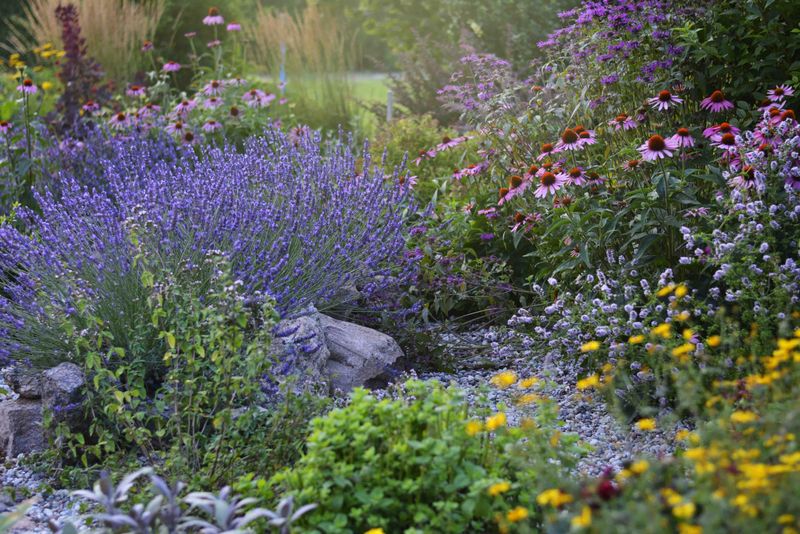
Here’s the thing about perennials that most gardening guides undersell: they don’t just come back every year — they get better every year. A hosta planted in 2024 becomes a dramatic clump by 2028. A stand of coneflowers planted along a fence fills in, self-seeds, and eventually creates the kind of naturalistic planting that looks like it’s always been there.
That’s the magic of perennials, and it’s why experienced gardeners lean so heavily on them. You invest once and reap rewards for years — sometimes decades.
This guide covers 30+ perennial flowers organized by sun exposure and USDA hardiness zone, with everything you need to choose the right plants for your specific garden conditions. We’ll also cover how to design with perennials for continuous bloom throughout the growing season.
How to Use This Guide
USDA Hardiness Zones indicate the minimum winter temperatures a plant can typically survive. Zone 4 is colder than Zone 8. Most of the continental U.S. falls in Zones 4–9.
- Zones 3–5: Upper Midwest, northern New England, mountain West
- Zones 5–7: Pacific Northwest, mid-Atlantic, central Midwest, much of the South at elevation
- Zones 7–9: Deep South, Gulf Coast, California, Pacific Southwest
Sun Exposure:
- Full sun: 6+ hours of direct sun per day
- Part shade: 3–6 hours of direct sun, or filtered light throughout the day
- Full shade: Less than 3 hours of direct sun
When in doubt, plant perennials labeled for full sun in the sunniest spot available, and shade-tolerant plants in the shadiest spots. Most “part shade” perennials tolerate more sun in the North and need more shade in the South.
Full Sun Perennials
1. Coneflower (Echinacea purpurea)
Zones: 3–9 | Bloom time: June–September | Height: 2–4 feet | Care level: Easy
Coneflower is one of the most reliable and versatile perennials available. The classic purple-pink daisy-like blooms with raised orange centers are pollinator magnets — you’ll rarely see a coneflower without bees and butterflies working it. Modern breeding has expanded the color range to include white, yellow, orange, red, and bicolors.
Key traits:
- Drought-tolerant once established
- Attracts finches when seed heads are left standing in fall/winter
- Self-seeds freely, gradually expanding colonies
- Deer-resistant
Divide clumps every 3–4 years to maintain vigor. Leaving seed heads through winter provides food for birds and adds structural interest.
2. Black-Eyed Susan (Rudbeckia fulgida ‘Goldsturm’)
Zones: 3–9 | Bloom time: July–October | Height: 18–24 inches | Care level: Very easy
‘Goldsturm’ black-eyed Susan is arguably the most widely planted perennial in America, and for good reason. It blooms for an exceptionally long period, thrives in almost any soil, spreads to form a ground-covering mass, and combines beautifully with purple coneflower, ornamental grasses, and blue salvias.
Key traits:
- Extremely long bloom period
- Tolerates clay soil and occasional drought
- Excellent cut flower
- Spreads to form large colonies — give it room
3. Lavender (Lavandula angustifolia)
Zones: 5–9 | Bloom time: June–August | Height: 18–36 inches | Care level: Easy (needs good drainage)
Few perennials offer the multi-sensory appeal of lavender. The fragrant silver-gray foliage and purple flower spikes are beautiful from spring through fall, and the blooms dry beautifully for indoor use. English lavender varieties (‘Hidcote’, ‘Munstead’) are the most cold-hardy.
Key traits:
- Must have well-drained soil — crown rot in wet soils is the #1 lavender killer
- Trim by 1/3 after flowering to maintain compact habit
- Loved by bees; deer-resistant
- Excellent in containers in colder zones
4. Catmint (Nepeta × faassenii)
Zones: 3–8 | Bloom time: May–September (re-blooms) | Height: 18–24 inches | Care level: Very easy
Catmint is the workhorse of perennial borders. It blooms abundantly in spring, and when cut back after the first flush, rebounds quickly for a second (sometimes third) round of lavender-blue flowers. ‘Walker’s Low’ is the most popular cultivar — despite the name, it grows 24–30 inches tall and wide.
Key traits:
- Re-blooms reliably if cut back after first flush
- Extremely drought-tolerant once established
- Soft texture softens border edges beautifully
- Deer and rabbit resistant
5. Salvia (Salvia nemorosa and hybrids)
Zones: 4–9 | Bloom time: May–August (re-blooms) | Height: 18–30 inches | Care level: Easy
Perennial salvias produce upright spikes of violet, blue, or pink flowers that combine magnificently with yellow and orange perennials. ‘May Night’, ‘Caradonna’, and ‘East Friesland’ are among the most reliable cultivars. Like catmint, they re-bloom when cut back after first flowering.
6. Yarrow (Achillea millefolium)
Zones: 3–9 | Bloom time: June–September | Height: 24–36 inches | Care level: Easy
Yarrow thrives where other perennials struggle — poor soil, drought, neglect. The flat-topped flower clusters in shades of white, yellow, pink, and red are excellent for cutting and drying. The ferny, aromatic foliage is deer-resistant.
Key traits:
- Spreads aggressively — give it room or divide regularly
- One of the most drought-tolerant perennials available
- Great for naturalistic and meadow-style plantings
7. Coreopsis (Coreopsis verticillata)
Zones: 3–9 | Bloom time: June–September | Height: 18–24 inches | Care level: Very easy
Threadleaf coreopsis produces masses of yellow or pink daisy-like flowers from early summer through fall. ‘Moonbeam’ (soft yellow) and ‘Zagreb’ (golden yellow) are classic selections. It’s one of the most reliable long-blooming perennials for difficult sunny, dry conditions.
8. Daylily (Hemerocallis hybrids)
Zones: 3–9 | Bloom time: June–August | Height: 18–48 inches | Care level: Very easy
With thousands of registered cultivars, daylilies offer extraordinary diversity in color, size, and bloom time. Early, mid-season, and late-blooming varieties can be combined for nearly continuous bloom. ‘Stella de Oro’ remains the most popular compact reblooming variety.
Key traits:
- Divide every 4–5 years when centers become crowded
- Tolerates a wide range of soil conditions
- Naturalizes readily — excellent for slopes and difficult areas
- Note: Toxic to cats — choose placement carefully
9. Sedum / Stonecrop (Hylotelephium spectabile, formerly Sedum)
Zones: 3–9 | Bloom time: August–October | Height: 18–24 inches | Care level: Very easy
Late-season stonecrop fills a valuable niche in the perennial border — it provides interest with its succulent foliage from spring through fall, then flowers when most other perennials have finished. ‘Autumn Joy’ is the classic selection; ‘Matrona’ and ‘Purple Emperor’ offer attractive dark foliage.
10. Russian Sage (Perovskia atriplicifolia)
Zones: 4–9 | Bloom time: July–September | Height: 3–5 feet | Care level: Easy
Russian sage is a large, airy perennial producing masses of small lavender-blue flowers on silvery stems. Its loose, hazy texture creates a beautiful backdrop for more structured plants. It’s extremely drought-tolerant and thrives in hot, dry conditions.
11. Peonies (Paeonia lactiflora)
Zones: 3–7 | Bloom time: May–June | Height: 24–36 inches | Care level: Moderate
Peonies are among the most beloved perennials, producing large, fragrant blooms in shades of white, pink, and red. They’re notably long-lived — a well-planted peony can thrive in the same spot for 50 years or more. They need cold winters (zones 3–7) to bloom well.
Key traits:
- Plant eyes no more than 1–2 inches below soil surface — too deep and they won’t bloom
- Stake blooms to prevent flopping, especially after rain
- Ants on peonies are normal and harmless
12. Veronica / Speedwell (Veronica spicata)
Zones: 3–8 | Bloom time: June–August | Height: 12–24 inches | Care level: Easy
Spiked speedwell adds valuable vertical accent to perennial borders with its upright spikes of blue, pink, or white flowers. ‘Red Fox’, ‘Sunny Border Blue’, and ‘Goodness Grows’ are excellent cultivars. Deadhead spent spikes to encourage re-blooming.
Part Shade and Shade Perennials
13. Hosta (Hosta species and hybrids)
Zones: 3–9 | Bloom time: Foliage all season; flowers June–August | Height: 6 inches–4 feet | Care level: Very easy
Hostas are the undisputed kings of the shade garden. Their dramatic foliage — ranging from tiny mouse-ear varieties to dinner-plate giants — provides structure, texture, and color from spring until frost. Foliage colors include every shade of green, blue-green, gold, and white-edged combinations.
Key traits:
- Divide every 5–6 years when clumps get congested
- Slugs are the primary pest; iron phosphate bait is effective
- The larger varieties (Sum and Substance, Empress Wu) are stunning specimen plants
- Deer love hostas — protect with repellents in deer-heavy areas
14. Astilbe (Astilbe × arendsii)
Zones: 3–8 | Bloom time: June–August | Height: 18–36 inches | Care level: Easy
Astilbe brings feathery plumes of color to shaded areas that few other perennials can match. Colors range from white to cream, pale pink, hot pink, and deep red. The dried seed heads provide attractive winter interest.
Key traits:
- Needs consistently moist soil — performs poorly in dry shade
- Divide every 3–4 years to maintain vigor
- Earlier blooming varieties (‘Deutschland’, ‘Peach Blossom’) extend the bloom season when combined with mid- and late-season types
15. Bleeding Heart (Lamprocapnos spectabilis)
Zones: 3–9 | Bloom time: April–June | Height: 24–36 inches | Care level: Easy
Bleeding heart is one of spring’s most romantic plants, producing arching stems lined with heart-shaped pink and white lockets. It goes dormant in summer heat — pair it with hostas or ferns to fill the gap it leaves.
Key traits:
- Plant in cool, moist, organically rich soil
- ‘Gold Heart’ has striking golden foliage that brightens shady spots
- The fringed-leaf variety (Lamprocapnos formosa ‘King of Hearts’) blooms longer and doesn’t go dormant
16. Hellebore (Helleborus × hybridus)
Zones: 4–9 | Bloom time: February–April | Height: 18–24 inches | Care level: Easy once established
Hellebores are remarkable for blooming in late winter and early spring, often pushing up through snow. The nodding flowers in shades of white, pink, purple, and near-black are subtle and sophisticated. They’re evergreen in most zones and essentially pest-free.
Key traits:
- Avoid disturbing established plants — they resent transplanting
- Self-seeds to gradually form colonies
- Deer-resistant and drought-tolerant once established
17. Coral Bells (Heuchera species and hybrids)
Zones: 3–9 | Bloom time: May–July | Height: 12–24 inches | Care level: Easy
Modern coral bells hybrids have transformed this plant from a wildflower curiosity into one of the most popular perennials on the market. Foliage colors span an extraordinary range: lime green, gold, burgundy, copper, silver, and countless combinations.
Key traits:
- Airy wands of tiny flowers attract hummingbirds
- Divide every 3–4 years as crowns heave out of the soil
- Excellent for containers and edging
18. Ferns (Various genera)
Zones: Varies by species | Season of interest: Spring–fall | Height: 1–4 feet | Care level: Easy
Ferns provide unmatched texture in shade gardens. Key species:
- Ostrich Fern (Matteuccia struthiopteris, Zones 2–7): Bold vase shape, spreads by underground runners
- Japanese Painted Fern (Athyrium niponicum, Zones 4–9): Silver and burgundy foliage; one of the most beautiful foliage plants available
- Autumn Fern (Dryopteris erythrosora, Zones 5–9): New growth emerges coppery-red; semi-evergreen
19. Solomon’s Seal (Polygonatum odoratum)
Zones: 3–8 | Bloom time: May–June (subtle white flowers) | Height: 24–36 inches | Care level: Easy
Solomon’s seal is an elegant, arching shade plant that combines beautifully with hostas, ferns, and astilbe. The variegated form (‘Variegatum’) with white-edged leaves is particularly stunning. It spreads slowly by rhizomes to form attractive drifts.
20. Ligularia (Ligularia dentata)
Zones: 4–8 | Bloom time: July–August | Height: 3–4 feet | Care level: Moderate
Ligularia is a bold, dramatic shade plant with large, round leaves and bright yellow-orange daisy-like flowers on tall stems. ‘Britt-Marie Crawford’ (near-black foliage) and ‘The Rocket’ (tall, striking spikes) are two excellent cultivars.
Key traits:
- Needs consistently moist to wet soil
- Wilts dramatically in afternoon heat — this is normal if soil stays moist; if it doesn’t recover, water immediately
- Excellent near ponds or in rain gardens
Native Perennials Worth Growing
Native perennials have co-evolved with regional insects, birds, and soil organisms — they support ecosystem health in ways that exotic ornamentals simply can’t.
- Wild Bergamot (Monarda fistulosa) — Zones 3–9, lavender flowers, critical for native bees
- Blue Wild Indigo (Baptisia australis) — Zones 3–9, blue-purple spikes, excellent structure
- Prairie Dropseed (Sporobolus heterolepis) — ornamental grass, Zones 3–8
- Joe-Pye Weed (Eutrochium purpureum) — Zones 3–8, tall, pink late-season blooms
- Wild Columbine (Aquilegia canadensis) — Zones 3–8, red and yellow, hummingbird favorite
- Virginia Bluebells (Mertensia virginica) — Zones 3–8, spring ephemeral, stunning in mass
Designing with Perennials: Bloom Succession Planning
The best perennial gardens deliver color and interest from early spring through late fall. Bloom succession planning means deliberately selecting plants that hand off flowering duty to each other through the season.
A Simple Succession Framework
| Season | Perennials |
|---|---|
| Early spring | Hellebores, bleeding heart, creeping phlox |
| Late spring | Catmint, salvia, peony, veronica |
| Early summer | Coneflower, black-eyed Susan, coreopsis, daylily |
| Midsummer | Russian sage, agastache, lavender, rudbeckia |
| Late summer | Sedum ‘Autumn Joy’, Joe-Pye weed, coneflower |
| Fall | Asters, rudbeckia, ornamental grasses |
Design tips:
- Use the rule of three — plant at least three of each perennial for visual impact
- Layer by height — tall plants at back, medium in middle, low edging plants in front
- Repeat key plants along the length of a border for visual rhythm and unity
- Include foliage plants (hostas, coral bells, ornamental grasses) as anchors between flowering peaks
- Leave some seed heads standing in fall — birds use them, and they add winter interest
Caring for Perennials: Essentials
- Fertilize lightly in spring with a balanced slow-release fertilizer or compost top-dressing. Perennials generally need less fertilizer than annuals.
- Deadhead spent flowers to encourage re-blooming and prevent aggressive self-seeding where not desired.
- Cut back in fall or spring depending on the plant and your preference. Many gardeners now wait until late winter to cut back, preserving winter habitat for beneficial insects.
- Divide clumps when they show reduced blooming or crowded centers — typically every 3–5 years for most species.
- Mulch with 2–3 inches of shredded bark or leaf mulch to conserve moisture, moderate soil temperature, and suppress weeds.
Conclusion
Perennials are the backbone of any well-designed landscape. They reward patience, improve with age, and — when properly selected for your zone and light conditions — require remarkably little ongoing maintenance.
Start with the easy ones: coneflowers, black-eyed Susans, catmint, and daylilies for sun; hostas, astilbe, and coral bells for shade. Get those established and blooming, then build your collection from there. You’ll find that each spring, the garden you planned becomes a little more beautiful than you imagined it.
Invest in quality plants or perennial plant collections from a reputable nursery, plant at the right time, and give them a good start with amended soil and consistent watering in their first season. After that, they largely take care of themselves — and you.

TurfTech HQ Editorial Team
Independent trade-focused editorial team