Best Weed Killers for Lawns in 2026: Tested and Compared
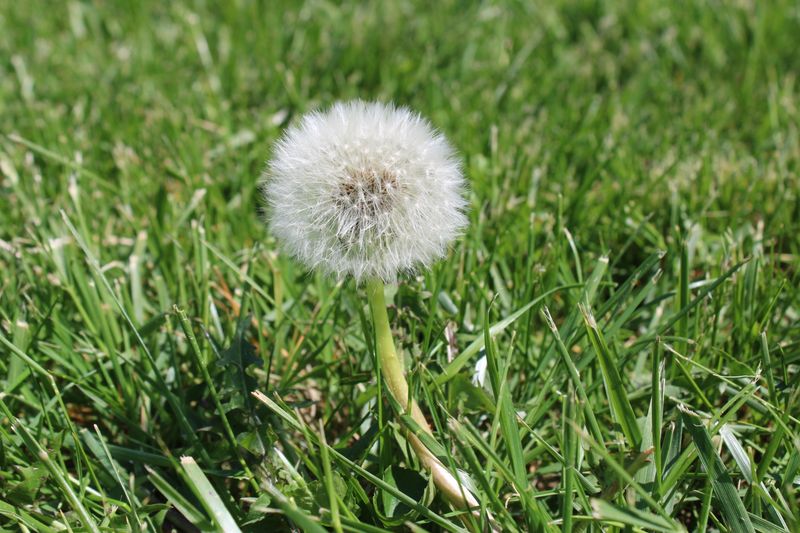
Walk into any garden center and the herbicide aisle can feel overwhelming. Dozens of products, confusing labels, competing claims — and if you grab the wrong one, you might kill your lawn along with the weeds. Choosing the best weed killer for your lawn comes down to knowing what type of weeds you’re fighting, what grass you’re trying to protect, and whether you need a pre-emergent (preventive) or post-emergent (curative) approach.
This guide breaks down the top weed killer products available in 2026, explains what makes each one work, and tells you exactly which situation each product is best suited for. No fluff — just practical, tested recommendations.
Understanding Herbicide Types: What You Need to Know First
Before diving into specific products, it’s critical to understand the basic categories of lawn herbicides. Using the wrong type is one of the most common (and costly) mistakes homeowners make.
Selective vs. Non-Selective Herbicides
Selective herbicides target specific types of plants while leaving others unharmed. Most lawn-safe weed killers are selective — they kill weeds but not your grass. This is what you want for treating weeds growing within your lawn.
Non-selective herbicides (like glyphosate/Roundup) kill virtually any plant they contact. These are useful for killing everything in a bed before replanting, or spot-treating weeds in cracks and driveways — but not for spraying across an active lawn unless you want to kill your grass too.
Pre-Emergent vs. Post-Emergent
Pre-emergent herbicides create a chemical barrier in the soil that prevents weed seeds from germinating. They must be applied before weeds sprout and need to be watered in to activate.
Post-emergent herbicides are applied to actively growing weeds. They kill weeds that are already visible above the soil surface.
Broadleaf Weed Killers vs. Grassy Weed Killers
Broadleaf herbicides target dicot plants (dandelion, clover, plantain, chickweed, etc.) — these are the “traditional” weeds with wide, distinctly shaped leaves. Most common lawn weed killers fall into this category.
Grassy weed killers target monocot weeds like crabgrass, goosegrass, and nutsedge that look similar to lawn grass. These require different active ingredients and are more difficult to use selectively.
The 11 Best Weed Killers for Lawns in 2026
1. Ortho WeedClear Lawn Weed Killer
Best overall broadleaf weed killer for most homeowners
Active ingredients: 2,4-D, MCPP, dicamba
Ortho WeedClear is the updated successor to the classic Ortho Weed B Gon formula and is one of the most popular selective broadleaf herbicides on the market. It controls over 200 broadleaf weeds including dandelion, clover, chickweed, and ground ivy.
- Lawn safe for: Kentucky bluegrass, perennial ryegrass, tall fescue, Bermuda, zoysia
- Not safe for: St. Augustine, centipede grass, dichondra
- Form: Ready-to-spray wand, concentrate, or ready-to-use trigger spray
- Price range: $12–$30 depending on size
Pros:
- Excellent broadleaf weed control
- Fast-acting (visible results in 24–48 hours)
- Widely available in all retail channels
- Multiple formulations for different lawn sizes
Cons:
- No grassy weed control
- Not safe for all warm-season grasses
- Dicamba can volatilize in heat and drift to ornamentals
Rating: 9/10
2. Spectracide Weed Stop for Lawns
Best value broadleaf killer for large lawns
Active ingredients: 2,4-D, MCPP, dicamba
Spectracide Weed Stop offers very similar active ingredients to Ortho WeedClear but typically at a lower price point per square foot, making it the go-to choice when you’re treating a large lawn on a budget. Controls 460+ weeds according to the label.
- Lawn safe for: Most cool-season and warm-season grasses (check label for your specific grass)
- Form: Concentrate (32 oz treats up to 16,000 sq ft), ready-to-spray, hose-end sprayer
- Price range: $10–$25
Pros:
- Very affordable per square foot
- Wide weed spectrum
- Hose-end sprayer format is convenient for large areas
Cons:
- Concentrate requires mixing and calibration
- Same drawbacks as other 2,4-D/dicamba products near ornamentals
Rating: 8.5/10
3. Tenacity (Mesotrione) Herbicide
Best selective herbicide for nutsedge, nimblewill, and difficult grassy weeds
Active ingredient: Mesotrione
Tenacity is a standout product for one key reason: it’s one of the very few selective herbicides that can control grassy weeds within a lawn without killing the surrounding turfgrass (when used correctly). It’s particularly effective on nimblewill, nutsedge, bentgrass, and crabgrass, and it can also be used as a pre-emergent.
- Lawn safe for: Kentucky bluegrass, tall fescue, centipede, St. Augustine (pre-emergent use), buffalo grass
- Not safe for: Bermuda grass, zoysia, seashore paspalum
- Form: Liquid concentrate (8 oz bottle)
- Price range: $50–$65 for 8 oz (covers up to 5 acres)
Pros:
- Unique grassy and broadleaf weed control in one product
- Dual pre/post-emergent activity
- Works on hard-to-kill weeds that other products miss
- Safe for cool-season lawns including fine fescues
Cons:
- Bleaches treated weeds white before they die (temporary, but visible)
- Expensive upfront (though very economical per square foot at label rates)
- Requires a non-ionic surfactant (sold separately) for best post-emergent results
- Learning curve for new users
Rating: 9.5/10 (for appropriate grass types)
4. Southern Ag Lawn Weed Killer with Trimec
Best professional-grade broadleaf killer at a consumer price
Active ingredients: 2,4-D, MCPP, dicamba (Trimec formulation)
Southern Ag Trimec is the same Trimec formulation used by lawn care professionals, available to homeowners in concentrate form at a very reasonable price. Trimec is the gold standard for three-way broadleaf weed control.
- Lawn safe for: Most established cool-season and warm-season grasses
- Form: 32 oz liquid concentrate (treats up to 43,000 sq ft at low rate)
- Price range: $18–$28
Pros:
- Professional-grade formulation
- Excellent value — among the lowest cost-per-square-foot options
- Works on over 200 broadleaf weed species
- Trusted by lawn care professionals
Cons:
- Concentrate only — requires proper mixing equipment
- No grassy weed control
- Must avoid application near trees, shrubs, and ornamentals
Rating: 9/10
5. Compare-N-Save Concentrate Grass & Weed Killer
Best non-selective for total vegetation control
Active ingredient: 41% glyphosate
Compare-N-Save is a high-concentration glyphosate product — the generic equivalent of Roundup Professional. At 41% glyphosate, it’s significantly more concentrated than standard consumer Roundup (which is typically 18–20%).
- Use cases: Killing everything before reseeding, clearing beds, driveways, fence lines, crack weeds
- NOT for: Use over an existing lawn you want to keep
- Form: 32 oz or 1 gallon concentrate
- Price range: $20–$40
Pros:
- Extremely effective total vegetation control
- Very economical (concentrate goes a long way)
- Glyphosate breaks down in soil relatively quickly
- Ideal for lawn renovation projects
Cons:
- Non-selective — kills everything
- No residual activity (weeds can re-establish from seed)
- Not appropriate for spot-treating within an active lawn
Rating: 9/10 (for total vegetation control use cases)
6. Bayer Advanced All-in-One Lawn Weed & Crabgrass Killer
Best combination broadleaf + crabgrass killer
Active ingredients: 2,4-D, quinclorac, dicamba, dimethylamine salt
Bayer Advanced All-in-One is one of the few consumer products that combines broadleaf weed control with post-emergent crabgrass control in a single application. The quinclorac component handles crabgrass and other grassy weeds while the 2,4-D/dicamba handles broadleaf weeds.
- Lawn safe for: Kentucky bluegrass, perennial ryegrass, tall fescue, Bermuda, zoysia
- Not safe for: St. Augustine, centipede, bahia
- Form: Ready-to-spray, concentrate
- Price range: $20–$35
Pros:
- One-product solution for both weed types
- Effective on young crabgrass (best before 4–5 leaf stage)
- Convenient ready-to-spray format
Cons:
- Quinclorac less effective on mature crabgrass
- Not safe for all grass types
- Costs more per square foot than single-mode products
Rating: 8/10
7. Scotts Turf Builder Weed & Feed
Best combination fertilizer + weed killer
Active ingredients: Pendimethalin (pre-emergent) + fertilizer
Note: There are multiple Scotts Weed & Feed formulations. The most popular uses atrazine or 2,4-D plus MCPP as the herbicide component alongside a granular fertilizer.
Scotts Turf Builder Weed & Feed is the classic spring lawn product for homeowners who want to fertilize and kill broadleaf weeds in a single application.
- Lawn safe for: Varies by formulation — always check label for your grass type
- Form: Granular (requires broadcast spreader)
- Price range: $35–$55 for 5,000–10,000 sq ft coverage
Pros:
- Saves time by combining two applications into one
- Fertilizes while killing weeds
- Granular form is easy to apply with a spreader
Cons:
- Granules must stick to moist weed leaves to work (apply when lawn is dewy or lightly moist)
- Limited to broadleaf weeds in most formulations
- Timing a dual fertilizer/herbicide application can be tricky
Rating: 7.5/10
8. Hi-Yield Atrazine Weed Killer
Best for St. Augustine and centipede lawns
Active ingredient: Atrazine (4%)
Hi-Yield Atrazine is one of the only selective herbicides safe for use on St. Augustine grass — a warm-season grass that’s notoriously sensitive to many common herbicides. It controls both broadleaf and some grassy weeds, and it provides some pre-emergent activity.
- Lawn safe for: St. Augustine, centipede, zoysia (at lower rates)
- Form: Liquid concentrate
- Price range: $15–$25
Pros:
- Essential tool for St. Augustine and centipede lawns
- Dual pre and post-emergent action
- Affordable
Cons:
- Restricted or limited use in some states (check local regulations)
- Atrazine has groundwater contamination concerns — do not apply near water features
- Less effective in hot weather
Rating: 8.5/10 (for appropriate grass types)
9. Ortho Nutsedge Killer for Lawns
Best for nutsedge and sedge control
Active ingredient: Halosulfuron-methyl
Ortho Nutsedge Killer specifically targets nutsedge (yellow nutsedge and purple nutsedge) — those fast-growing, triangular-stemmed weeds that pop up in lawns and seem immune to everything else you spray on them. Standard broadleaf herbicides don’t work on nutsedge; you need a sedge-specific product.
- Lawn safe for: Most established lawn grasses
- Form: Ready-to-spray, concentrate
- Price range: $15–$25
Pros:
- One of the only consumer products that actually works on nutsedge
- Also controls kyllinga and other sedges
- Safe on most grass types
Cons:
- Nutsedge requires multiple applications for full control (tubers resprout)
- Slower-acting than broadleaf herbicides (2–3 weeks to see full results)
Rating: 8/10
10. Bonide Weed Beater Ultra
Best for clover, ground ivy, and creeping Charlie
Active ingredients: Triclopyr + 2,4-D + clopyralid + dicamba
Bonide Weed Beater Ultra contains triclopyr, which is the key active ingredient for controlling notoriously tough broadleaf weeds like ground ivy (creeping Charlie), wild violet, and clover — plants that often resist standard 2,4-D-based products.
- Lawn safe for: Most cool-season grasses; check label for warm-season varieties
- Form: Concentrate, ready-to-spray
- Price range: $20–$35
Pros:
- Superior on tough-to-kill broadleaf weeds that resist 2,4-D
- Triclopyr component is particularly effective on vining/creeping weeds
- Good residual activity
Cons:
- Triclopyr can volatilize in heat and injure nearby ornamentals and trees
- Avoid application near tree root zones
- More expensive per square foot than basic products
Rating: 9/10 (for difficult broadleaf weeds)
11. Preen Extended Control Weed Preventer
Best granular pre-emergent for season-long control
Active ingredient: Trifluralin + isoxaben
Preen Extended Control is a granular pre-emergent that prevents both grassy and broadleaf weeds for up to 6 months. It’s primarily marketed for ornamental beds but is labeled for use around established shrubs and in some lawn situations.
- Use cases: Ornamental beds, around trees and shrubs, preventing weed establishment in groundcovers
- Form: Granular
- Price range: $20–$40
Pros:
- Long residual control (up to 6 months)
- Prevents a wide range of both grassy and broadleaf weeds
- Easy granular application
Cons:
- Not labeled for all in-lawn applications — check label carefully
- Cannot be used where you intend to seed grass within 6 months
- Must be watered in to activate
Rating: 8/10 (for bed and border use)
Quick Comparison Table
| Product | Type | Target Weeds | Lawn Safety | Price Range | Rating |
|---|---|---|---|---|---|
| Ortho WeedClear | Post-emergent selective | Broadleaf 200+ | Most grasses | $12–$30 | 9/10 |
| Spectracide Weed Stop | Post-emergent selective | Broadleaf 460+ | Most grasses | $10–$25 | 8.5/10 |
| Tenacity (Mesotrione) | Pre/post selective | Grassy + broadleaf | Cool-season, centipede | $50–$65 | 9.5/10 |
| Southern Ag Trimec | Post-emergent selective | Broadleaf 200+ | Most grasses | $18–$28 | 9/10 |
| Compare-N-Save | Non-selective | All vegetation | N/A (kills all) | $20–$40 | 9/10 |
| Bayer All-in-One | Post-emergent selective | Broadleaf + crabgrass | Most grasses | $20–$35 | 8/10 |
| Scotts Weed & Feed | Pre/post + fertilizer | Broadleaf | Varies | $35–$55 | 7.5/10 |
| Hi-Yield Atrazine | Pre/post selective | Broadleaf + some grassy | St. Aug, centipede | $15–$25 | 8.5/10 |
| Ortho Nutsedge Killer | Post-emergent selective | Nutsedge/sedge | Most grasses | $15–$25 | 8/10 |
| Bonide Weed Beater Ultra | Post-emergent selective | Tough broadleaf | Cool-season | $20–$35 | 9/10 |
| Preen Extended Control | Pre-emergent | Grassy + broadleaf | Beds/borders | $20–$40 | 8/10 |
How to Choose the Right Weed Killer for Your Situation
If you have a cool-season lawn (Kentucky bluegrass, tall fescue, perennial ryegrass):
- Broadleaf weeds: Ortho WeedClear, Southern Ag Trimec, or Spectracide Weed Stop
- Crabgrass/grassy weeds: Tenacity (mesotrione) or Bayer All-in-One
- Nutsedge: Ortho Nutsedge Killer
- Tough creeping weeds (ground ivy, wild violet): Bonide Weed Beater Ultra
If you have a St. Augustine or centipede lawn:
- Use Hi-Yield Atrazine or Tenacity (for pre-emergent use)
- Avoid 2,4-D products on centipede; use with caution on St. Augustine
If you want to kill everything and start over:
- Compare-N-Save glyphosate concentrate
If you want to prevent weeds before they sprout:
- Scotts Halts (pendimethalin), Barricade (prodiamine), or Dimension (dithiopyr) for crabgrass prevention
- Preen Extended Control for beds and borders
Conclusion
There’s no single “best” weed killer for every lawn — the right product depends on your grass type, the weeds you’re targeting, and whether you need a preventive or curative approach. That said, Tenacity (mesotrione) earns the top overall recommendation for cool-season lawns due to its unique ability to handle both grassy and broadleaf weeds selectively, while Ortho WeedClear remains the most reliable, widely-available choice for straightforward broadleaf weed problems.
For the best long-term results, pair a pre-emergent application in spring with a post-emergent treatment for any weeds that break through, and always read the label to confirm compatibility with your specific grass type before applying anything.

TurfTech HQ Editorial Team
Independent trade-focused editorial team