Dollar Spot Lawn Disease: Identification and Treatment
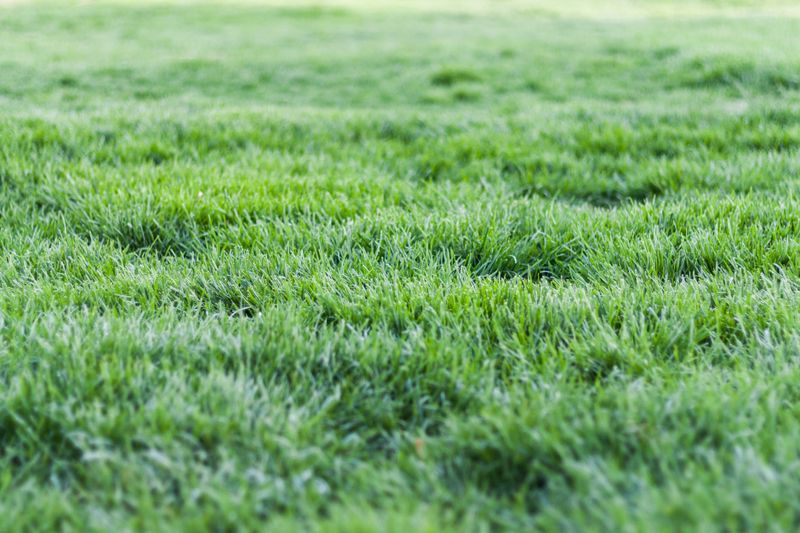
It starts innocuously — small, straw-colored spots scattered across your lawn, each about the size of a silver dollar. You might assume it’s dry spots, or perhaps some chemical burn. But within a week, those spots multiply and begin to merge, and what was a few isolated patches becomes a lawn riddled with dead, bleached areas that no amount of watering seems to fix.
That’s dollar spot lawn disease — one of the most economically significant turfgrass diseases in North America, affecting golf courses, athletic fields, and home lawns from coast to coast. The good news: once you understand what drives it, dollar spot is highly manageable with the right combination of cultural practices and, when necessary, fungicide treatment.
What Is Dollar Spot?
Dollar spot is a fungal disease caused by Clarireedia jacksonii (recently reclassified; you’ll still see the former name Sclerotinia homoeocarpa in older resources). It is one of the most researched turfgrass diseases in the world, primarily because of its impact on golf course turf — but it’s equally destructive in home lawns.
The fungus overwinters in infected plant tissue and thatch as dormant mycelium. When temperatures and moisture conditions become favorable, it activates and spreads from plant to plant through hyphal growth, water, foot traffic, and equipment movement.
Identifying Dollar Spot: Visual Symptoms
Accurate identification of dollar spot is important before you invest in treatment. The disease has several very distinctive characteristics that separate it from similar-looking problems like brown patch, drought stress, or fairy ring.
Patch-Level Symptoms
- Spots are small — typically 2–6 inches in diameter at normal lawn mowing heights (1.5–3.5 inches). At lower mowing heights like golf fairways, spots may be as small as a quarter.
- Bleached, straw-colored appearance — affected areas are tan to white rather than reddish-brown (which would suggest brown patch)
- Irregular shapes at higher mowing heights, where spots coalesce into larger, amorphous areas
- Scattered distribution across the lawn rather than one or two isolated patches
The Definitive Clue: Blade-Level Lesions
This is what separates dollar spot from almost every other lawn disease. Examine individual grass blades in and around affected areas:
- Hourglass-shaped lesions — tan or straw-colored spots that span the full width of the blade, with reddish-brown margins on both sides
- The lesion “pinches” the blade, creating the characteristic hourglass shape
- In severe infections, multiple lesions may appear on a single blade, causing complete dieback from tip downward
- The lesions are tan in the center with distinct dark reddish-brown borders — this color combination is highly diagnostic
Morning Mycelium
Under conditions of high humidity and morning dew, you may observe white, cobweb-like mycelium draped over affected areas and the surrounding healthy grass. This mycelium disappears as the dew dries and temperatures rise during the day. If you see this in combination with the small bleached patches, dollar spot is your almost certain diagnosis.
Dollar Spot vs. Similar Diseases
| Feature | Dollar Spot | Brown Patch | Fairy Ring | Drought Stress |
|---|---|---|---|---|
| Spot size | 2–6 inches | 6 inches to several feet | Ring shape | Irregular, widespread |
| Blade lesions | Hourglass shape | Tan with brown border | None distinctive | Folded/wilted |
| Morning mycelium | White cobwebs | Dark smoke ring | None | None |
| Season | Spring through fall (50–80°F) | Hot summer (>70°F nights) | All season | Summer dry periods |
| Nitrogen relationship | Worsens with low N | Worsens with high N | Neutral | Neutral |
What Causes Dollar Spot?
Understanding the conditions that trigger dollar spot is essential because the primary driver — low nitrogen fertility — is something you can directly control.
Temperature Range
Dollar spot is uniquely active across a wide temperature range: 50–80°F. This means it can be active in spring, early summer, and fall, unlike brown patch which requires hot nights above 70°F. This broad range is part of why dollar spot is so common — it can infect during multiple seasons.
Peak activity typically occurs when:
- Daytime temperatures are in the 70–85°F range
- Nighttime temperatures remain above 50°F
- There are extended periods of leaf wetness (dew, rain, or irrigation)
The Nitrogen Connection
Low nitrogen fertility is the most important cultural factor driving dollar spot. This relationship is consistent and well-documented:
- Turf that is nitrogen-deficient is dramatically more susceptible to dollar spot
- A light application of nitrogen fertilizer is often the single most effective “treatment” for mild dollar spot outbreaks
- Conversely, excessively high nitrogen (especially in hot weather) increases susceptibility to brown patch — so finding the right fertility balance matters
The reason nitrogen matters: actively growing, well-nourished grass produces leaf tissue rapidly and can outpace the rate at which the fungus damages blades. Slow-growing, nitrogen-deficient turf provides an ideal environment for dollar spot to persist.
Drought Stress
Drought-stressed turf is significantly more susceptible to dollar spot. When grass is moisture-stressed, its growth rate slows, it becomes more physiologically vulnerable, and recovery from fungal attacks is impaired. Interestingly, dollar spot thrives in conditions where the plant is drought-stressed but the leaf surface has adequate dew or moisture — a combination that’s very common in summer.
Leaf Wetness
Like most fungal diseases, dollar spot requires prolonged leaf wetness for infection to occur. Morning dew, frequent light rain, and evening irrigation all extend leaf wetness periods and promote disease spread. The fungus spreads most actively when:
- Dew remains on leaves for 10+ hours
- Fog or overcast conditions reduce drying
- Irrigation is applied in the evening or at night
Low Mowing Height
Turf mowed at lower heights (below 2 inches) is more susceptible to dollar spot, primarily because:
- Lower-cut turf is under greater stress
- The canopy is more dense at the surface, reducing air circulation and drying
- Individual plant roots are shallower and less resilient
Thatch Accumulation
A thatch layer thicker than 1/2 inch provides a protected reservoir for dollar spot mycelium and maintains higher humidity at the soil-canopy interface. Excessive thatch is a risk factor for many diseases, including dollar spot.
Grass Types Most Affected by Dollar Spot
Dollar spot can infect virtually all turfgrass species, but some are significantly more susceptible:
Highly Susceptible
- Creeping bentgrass — the most susceptible; dollar spot is the #1 disease problem on bentgrass golf course putting greens
- Bermudagrass — very susceptible, especially hybrid bermuda maintained at low heights
- Zoysiagrass — susceptible, particularly in humid climates
- Kentucky bluegrass — moderately to highly susceptible
Moderately Susceptible
- Perennial ryegrass
- Tall fescue
- Annual bluegrass
More Resistant
- Fine fescues (especially hard fescue and sheep fescue)
- Buffalograss
- Centipedegrass
Cultural Management: Reducing Dollar Spot Without Fungicides
For many homeowners, cultural controls alone can manage dollar spot effectively — especially if disease pressure is moderate. Focus on the following:
1. Maintain Adequate Nitrogen Fertility
This is the most impactful change you can make. If dollar spot is a recurring problem:
- Test your soil to determine actual fertility needs — a soil test kit takes the guesswork out of fertilization
- Apply light, frequent nitrogen applications during the growing season rather than infrequent heavy applications
- For cool-season grasses, the primary fertilization windows are fall (September–November) and spring (March–May)
- Choose slow-release nitrogen fertilizers to maintain steady nutrition between applications — this is more beneficial than a single large application
- Don’t over-correct — excessive nitrogen in summer increases brown patch risk
2. Water Management
- Water in the early morning (ideally 4–8 AM) so turf dries quickly
- Avoid evening or nighttime irrigation — this is the single most common mistake that worsens dollar spot
- When drought stress is present, water deeply and infrequently (1–1.5 inches per week) rather than frequent shallow irrigation
- Use a catch can or rain gauge to measure actual water delivery — most homeowners significantly under- or over-water
3. Raise Mowing Height
If dollar spot is active, raise your mowing height by 0.5 inches. Taller grass is more stress-tolerant, produces more carbohydrates, and recovers from disease more quickly. For most cool-season lawns during summer:
- Tall fescue: 3.5–4.5 inches
- Kentucky bluegrass: 3–3.5 inches
- Perennial ryegrass: 2.5–3.5 inches
4. Reduce Thatch
- Core aerate annually in fall for cool-season grasses
- Dethatch if thatch exceeds 1/2 inch — use a power rake or vertical mower
- Topdress with compost after aeration to improve soil biology and thatch decomposition
5. Improve Air Circulation
- Prune low-hanging branches and thin nearby shrubs to reduce humidity at the turf surface
- Avoid dense plantings that restrict airflow near affected areas
- In areas that stay damp chronically, consider improving drainage or transitioning to more suitable ground covers
6. Avoid Spreading the Disease
- Don’t walk through actively infected areas when the turf is wet — foot traffic spreads mycelium
- Clean mower blades and equipment when moving between infected and healthy areas
- Remove grass clippings from heavily infected areas rather than redistributing them
Fungicide Treatment for Dollar Spot
When cultural practices aren’t sufficient — or when disease pressure is high on a high-value lawn — fungicide applications are highly effective against dollar spot.
Timing: Preventive Is Best
As with most lawn diseases, preventive fungicide applications are more effective than curative ones. Apply when:
- Historical disease has been a problem (base timing on previous years)
- Conditions are favorable (temperatures 60–80°F, extended dew periods)
- You see the first scattered spots appearing — early curative treatment before widespread infection
Effective Active Ingredients
1. Chlorothalonil (e.g., Daconil, GardenTech Daconil)
- A contact (non-systemic) fungicide with excellent preventive activity against dollar spot
- Must be applied before or at first sign of disease; provides no curative activity on established infections
- Apply every 7–14 days during high-risk periods
- Widely available, affordable, and one of the most commonly used homeowner fungicides
- Chlorothalonil fungicide — stock up before season starts
2. Propiconazole (e.g., Bonide Infuse, Banner MAXX)
- Systemic triazole fungicide with both preventive and curative properties
- Moves within the plant to provide internal protection
- Effective application interval: 14–28 days
- One of the best options when dollar spot is already established
3. Myclobutanil (e.g., Spectracide Immunox)
- Triazole fungicide, widely available at retail stores
- Good systemic activity against dollar spot
- Apply every 14 days; rotate with chlorothalonil or other modes of action
4. Azoxystrobin (e.g., Scotts DiseaseEx, Heritage)
- Strobilurin fungicide with broad-spectrum activity
- Strong preventive activity; moderate curative
- Apply every 14–28 days; rotate with triazoles to manage resistance
5. Iprodione (e.g., Chipco 26019, Bayer 26/36)
- Dicarboximide fungicide with good dollar spot activity
- Effective both preventively and curatively
- Not always widely available in consumer markets; more common in professional products
Important: Fungicide Resistance
Dollar spot fungicide resistance is a genuine concern, especially on golf courses where fungicides are applied frequently. C. jacksonii has demonstrated resistance to multiple fungicide classes, including benzimidazoles, dicarboximides, and DMIs.
For home lawns, resistance is less common but still a consideration:
- Always rotate between fungicide classes — never use the same product (or same class) consecutively
- Avoid applying fungicides more frequently than the label recommends
- Use cultural controls as the foundation — fungicides should supplement, not replace, proper lawn care
Sample Rotation Program for Home Lawns
| Application | Timing | Active Ingredient | Class |
|---|---|---|---|
| 1st | When 60°F days/50°F nights arrive | Chlorothalonil | Contact/Multi-site |
| 2nd | 10–14 days later | Propiconazole | Triazole (DMI) |
| 3rd | 10–14 days later | Azoxystrobin | Strobilurin (QoI) |
| 4th | 10–14 days later | Chlorothalonil | Contact/Multi-site |
Continue as long as conditions remain favorable (typically through October in cooler regions).
Recovering From Dollar Spot Damage
Dollar spot typically kills individual grass blades but does not attack crowns and roots in the same way that summer patch or necrotic ring spot do. This means recovery is generally faster than for root-rotting diseases:
- Apply a light nitrogen fertilization to stimulate active growth and fill in damaged areas
- Mow frequently to remove diseased tissue and encourage lateral spread from healthy plants
- If patches are large or bare spots remain after 3–4 weeks, overseed with a resistant grass variety using a nitrogen fertilizer at seeding to support establishment
- Continue monitoring for recurrence — once dollar spot is established in a lawn, it tends to recur annually unless cultural practices improve
Dollar Spot on Specific Grass Types
Bermudagrass Lawns
Dollar spot is one of the most common diseases on bermuda lawns in the South and transition zone. Key management:
- Maintain active growth with adequate nitrogen; dormant or slow-growing bermuda is extremely vulnerable
- Apply fungicides preventively in spring as bermuda breaks dormancy if the disease has been a previous problem
- Use thatch-control practices — bermuda builds thatch rapidly, and thick thatch worsens dollar spot
Kentucky Bluegrass Lawns
- Dollar spot is most problematic in spring and fall on bluegrass
- Blends with disease-resistant varieties show significantly less damage
- Prioritize fall fertilization to build nitrogen reserves that reduce spring susceptibility
Fine Fescue Areas
Fine fescues are among the more resistant grasses to dollar spot. If you’re dealing with chronic dollar spot in a shady area, transitioning to a fine fescue blend may reduce the need for fungicide programs over time.
Conclusion
Dollar spot is ultimately a disease of stressed, under-nourished turf. The most powerful tool you have against it isn’t a fungicide — it’s a fertility program that keeps your grass growing vigorously and a watering schedule that minimizes overnight leaf wetness.
When cultural controls aren’t enough, a well-timed fungicide rotation using products like chlorothalonil and propiconazole will bring even severe outbreaks under control. Pair that with a thatch rake for annual dethatching, and a soil test to dial in your nitrogen program, and dollar spot can go from a season-long battle to a minor, manageable nuisance.
Know the hourglass lesion. Water in the morning. Keep your nitrogen up. And you’ll stay ahead of dollar spot all season long.

TurfTech HQ Editorial Team
Independent trade-focused editorial team