Some links on this site are affiliate links. We may earn a commission at no cost to you. Learn more.
Front Yard Landscaping Ideas on a Budget: 15 Affordable Projects
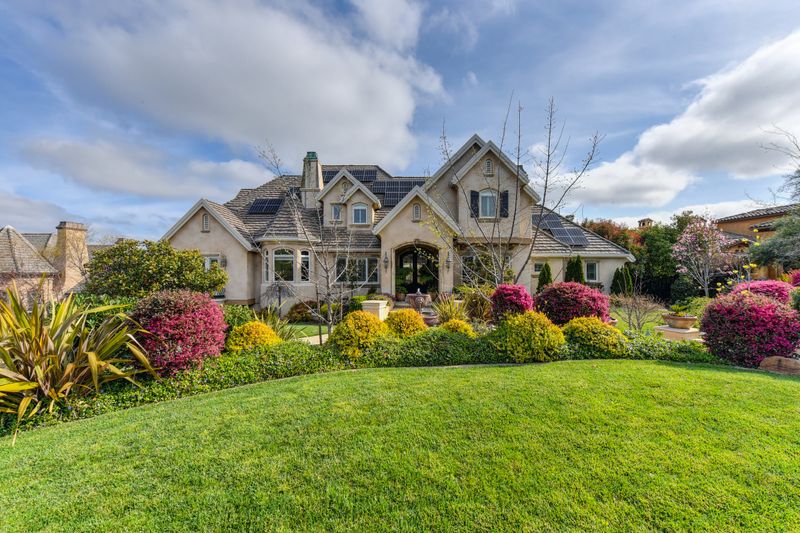
You don’t need a $10,000 landscaping contract to have the best-looking house on your street. Some of the most dramatic curb appeal transformations cost less than $200 and a weekend of work.
The trick is knowing which projects deliver the biggest visual return for the least investment. After years of helping homeowners improve their landscapes on real-world budgets, these are the 15 front yard projects that consistently deliver the most bang for your buck.
Each project below includes an estimated cost range for DIY installation. Hiring a landscaper typically adds 50–100% to these figures for labor.
1. Mulched Bed With Colorful Annuals
Estimated Cost: $50–$150
Fresh mulch and a flat of colorful annuals is the fastest, cheapest curb appeal upgrade available. New mulch immediately makes your yard look clean and well-maintained, and annual flowers add a pop of color that draws the eye.
How to do it:
- Remove weeds and edge the bed perimeter
- Apply 2–3 inches of shredded hardwood or cedar mulch (a $5 bag covers about 8 sq ft at 3 inches)
- Plant petunias, marigolds, impatiens, or begonias in clusters of odd numbers (3, 5, 7)
- Water thoroughly and add more mulch to maintain depth
Pro tip: Buy annuals in 4-packs or 6-packs rather than individual pots — the plants are the same, but the cost per plant is 60–70% lower. Look for end-of-day sales at garden centers in late spring.
2. Defined Lawn Edges
Estimated Cost: $30–$80
Few things make a lawn look more unkempt than ragged, uneven edges where the grass meets the sidewalk or driveway. Clean, crisp edges signal care and attention without spending much at all.
Tools and materials:
- Manual half-moon edger ($15–$25) or a rotary edger ($25–$40)
- String trimmer (if you already own one, the edging is essentially free)
- Plastic or steel landscape edging ($0.50–$2/linear foot) for a permanent solution
How to do it:
- Use a string line or garden hose as a guide for curved edges
- Cut straight down 3–4 inches with the edger
- Remove the cut strip of sod
- Install landscape edging to maintain the clean line going forward
Once established, re-edging takes 20–30 minutes every few weeks and makes your lawn look significantly sharper without any new plantings at all.
3. River Rock Ground Cover Areas
Estimated Cost: $100–$300
Replacing high-maintenance turf or bare soil areas with river rock or decorative gravel creates a clean, modern look that requires zero maintenance once installed.
Best applications:
- Under trees where grass won’t grow
- Along the foundation of the house
- Narrow side yards
- Areas with poor soil or drainage issues
Installation:
- Kill existing vegetation with herbicide or solarize with clear plastic for 4–6 weeks
- Install 3-mil or heavier landscape fabric to prevent weed breakthrough
- Apply 2–3 inches of 1.5-inch river rock or pea gravel
- Secure landscape fabric edges under the rock or with fabric staples
Cost breakdown: Landscape fabric runs $0.10–$0.25/sq ft; river rock runs $35–$75 per ton (covering about 100 sq ft at 2 inches deep).
4. Simple Stone Pathway
Estimated Cost: $150–$400
A pathway from the sidewalk to the front door gives your yard structure and makes it look designed rather than accidental. Even a simple stepping-stone path dramatically improves the sense of arrival.
Materials:
- Natural flagstone or concrete stepping stones ($1–$5 per stone)
- Coarse sand or decomposed granite for setting
- Edging (optional)
Basic installation:
- Lay stones out in their planned pattern and walk the path to confirm spacing feels natural (stride-length spacing is typically 18–24 inches center to center)
- Trace around each stone with spray paint
- Dig 3–4 inches deep within each outline
- Add 1 inch of coarse sand, level, and tamp
- Set the stone so it sits slightly above ground level
- Fill gaps with soil, sand, or decomposed granite
See our detailed garden pathway guide for 10 pathway types with full installation instructions.
5. Foundation Plantings Refresh
Estimated Cost: $200–$500
Old, overgrown foundation shrubs make a house look dated and neglected. Removing them and replanting with fresh, appropriately sized plants is one of the highest-impact projects on this list.
Strategy:
- Remove any shrubs that are overgrown, dead, or blocking windows
- Select shrubs that will stay in scale with the foundation — avoid anything that gets taller than your windows at maturity
- Use odd-numbered groupings (3, 5, or 7 plants) for a natural look
- Vary plant heights: taller in corners, lower in between windows
Good low-maintenance choices:
- Boxwood (stays compact, evergreen, takes shearing)
- Knock Out roses (blooms spring through fall, disease-resistant)
- Little Lime hydrangea (compact, reliable bloomer)
- Spirea (fast-growing, colorful, very tough)
- Inkberry holly (native, evergreen, low maintenance)
Cost saver: Buy 1-gallon shrubs instead of 3-gallon. They establish just as well and typically cost 60–70% less. They’ll fill in within 1–2 seasons.
6. Ornamental Grasses Border
Estimated Cost: $100–$250
Ornamental grasses provide year-round interest, move beautifully in the breeze, and are among the most low-maintenance plants available. A border of mixed grasses along a fence line, driveway, or property edge looks polished and intentional.
Recommended varieties:
- Karl Foerster feather reed grass — upright, 4–5 feet, works in any climate
- Little Bluestem — native, drought-tolerant, turns red-orange in fall
- Blue Oat Grass — low-growing, blue-toned, evergreen in mild climates
- Pennisetum (fountain grass) — graceful arching form, easy to find at garden centers
Installation tips:
- Space grasses at their mature width to avoid overcrowding
- Amend clay soil with compost before planting
- Cut back in late winter/early spring before new growth emerges
7. Container Garden Focal Points
Estimated Cost: $50–$150
Large container gardens placed at the front door, at the end of the driveway, or flanking the front steps create focal points and add color without any digging.
Keys to success:
- Use large containers (at least 16 inches wide and deep) — small pots look lost and dry out too fast
- Follow the “thriller, filler, spiller” formula: one tall dramatic plant, several medium fillers, and a trailing plant over the edge
- Use a quality potting mix (not garden soil — it compacts in containers)
- Add slow-release fertilizer granules at planting time
Affordable container sources: Thrift stores and estate sales frequently have excellent large ceramic or concrete pots for $5–$20. Resin and fiberglass faux-stone pots are lightweight, frost-resistant, and dramatically cheaper than real concrete.
8. Mailbox Garden
Estimated Cost: $40–$100
The mailbox is one of the most-noticed features of your front yard because it’s at eye level from the street. A small, well-planted garden around the base of the mailbox post is a low-cost, high-visibility improvement.
Simple approach:
- Define a small oval or kidney-shaped bed around the mailbox post (4–8 sq ft)
- Install landscape edging
- Plant a climbing vine at the base of the post (morning glory, sweet potato vine, or a small knockout rose)
- Fill in with low-growing annuals or perennials
- Mulch heavily
Tip: Choose plants that don’t grow so vigorously they block the mailbox door — many homeowners learn this lesson the hard way mid-season.
9. Low-Maintenance Perennial Border
Estimated Cost: $150–$400
Perennials come back year after year, meaning you only buy them once. A well-designed perennial border provides color from spring through fall without significant replanting costs.
Easy, reliable perennials:
- Coneflower (Echinacea) — tough, drought-tolerant, pollinator magnet
- Black-eyed Susan (Rudbeckia) — bright yellow, blooms all summer
- Daylily (Hemerocallis) — incredibly tough, wide range of colors
- Salvia — drought-tolerant, deer-resistant, long blooming
- Catmint — soft purple, extremely low maintenance, reblooms when cut back
Design tip: Layer by height — tallest in back (or center if viewed from all sides), medium in the middle, low-growers at the front. Repeat the same plant in groups of 3 or 5 for a cohesive look rather than one of everything.
10. Decorative Rock Garden
Estimated Cost: $100–$300
A rock garden is ideal for sloped areas, corners with poor drainage, or hot, dry spots where grass and traditional plants struggle. Done well, it looks intentional and upscale.
Materials:
- Boulders and medium-sized rocks (often free if you know someone clearing a field; otherwise $50–$150 at landscape supply yards)
- Decomposed granite or pea gravel as ground cover
- Drought-tolerant plants: sedums, creeping phlox, ice plant, ornamental allium, lavender
Installation:
- Position the largest rocks first — bury 1/3 of each rock’s volume for a natural look
- Fill between rocks with soil amended with coarse sand for drainage
- Plant drought-tolerant species in the pockets between rocks
- Top-dress with decomposed granite
11. Tree Ring Mulch Beds
Estimated Cost: $50–$200
If you have trees in your front yard with grass growing right up to the trunk, you’re working against yourself — and the tree. Creating mulch rings around trees looks better, eliminates the need to edge-trim around the trunk, and dramatically improves tree health.
How to do it:
- Extend the mulch ring to at least the drip line of the tree (the outer edge of the canopy) — a minimum of 3–4 feet from the trunk for young trees
- Remove existing grass with a flat spade or herbicide
- Apply 3 inches of wood chip mulch
- Never create “mulch volcanoes” — keep mulch away from the trunk itself; it rots bark and harbors pests
A $25 bag of bulk wood chip mulch covers about 12 sq ft at 3 inches deep. Many municipalities offer free wood chips — check your city’s website.
12. Wildflower Seed Patch
Estimated Cost: $20–$60
A wildflower meadow area — even a small one — adds color, attracts pollinators, and requires almost no maintenance once established. It’s also by far the cheapest planting project on this list.
Best applications:
- Difficult sunny areas where grass struggles
- Large corner areas or slopes
- A designated natural corner of the front yard as a statement planting
How to do it:
- Clear existing vegetation with herbicide or by tilling
- Loosen the top 1 inch of soil lightly
- Broadcast a regional wildflower seed mix at the recommended rate
- Rake lightly to ensure good seed-to-soil contact
- Water daily until germination, then reduce frequency
Look for mixes designed for your region — native wildflower mixes establish far more reliably than generic “meadow mix” products. American Meadows and Prairie Moon Nursery both offer high-quality regional mixes.
13. Drought-Tolerant Xeriscape
Estimated Cost: $200–$600
Xeriscaping — designing landscapes that require little or no supplemental irrigation — is the most sustainable front yard approach in dry regions. But even in wetter climates, a drought-tolerant front planting reduces watering chores and utility costs.
Xeriscape principles:
- Choose native and adaptive plants suited to your region’s natural rainfall
- Improve soil with compost to maximize water retention
- Mulch heavily (3–4 inches) to reduce evaporation
- Group plants by water need (hydrozoning)
- Minimize turf or replace with low-water ground covers
Great drought-tolerant plants by region:
- Southwest: Desert marigold, agave, red yucca, native grasses, penstemon
- Southeast: Muhly grass, lantana, porterweed, beautyberry
- Midwest: Prairie dropseed, purple coneflower, prairie blazing star
- Pacific Northwest: Kinnikinnick, Pacific Coast iris, lavender, manzanita
14. Solar Landscape Lighting
Estimated Cost: $50–$200
Landscape lighting transforms a front yard after dark and adds security. Solar path lights require no wiring, no electrician, and no operating costs — they charge during the day and turn on automatically at dusk.
Placement ideas:
- Line the front walkway with path lights (every 6–8 feet)
- Spotlight a specimen tree or large planting with an uplight solar spotlight
- Accent the mailbox or front door with decorative post lights
What to buy: Cheap solar lights from big-box stores are often disappointing — the rechargeable batteries die after a season. Spend $15–$30 per light on better quality options from LITOM, Aootek, or Baxia Technology for lights that actually last.
For truly reliable landscape lighting, low-voltage hardwired systems (12V LED) run off a transformer and are more reliable than solar. A basic Malibu or Hampton Bay system runs $50–$100 for the transformer and 6–8 lights.
15. Pressure-Washed Hardscape Refresh
Estimated Cost: $0–$80
Before spending money on new plants or features, look at what you already have. Concrete driveways, sidewalks, and walkways often look dingy and neglected simply because they’re covered in years of dirt, algae, and staining — not because they need replacement.
A thorough pressure washing can make 10-year-old concrete look almost new.
- Rent a pressure washer for $50–$80/day, or borrow one
- Use a surface cleaner attachment for large flat areas (much faster than a wand)
- Treat stained or heavily algae-covered areas with a concrete cleaner/degreaser pre-spray
While you’re at it, wash the house exterior, front steps, and any painted fences. The contrast of clean hardscape against clean siding makes every planting look more intentional.
DIY vs. Hiring a Landscaper: Cost Comparison
For context, here’s how the cost math changes if you hire professionals:
| Project | DIY Cost | Hired Cost |
|---|---|---|
| Mulching (500 sq ft) | $80–$120 | $200–$400 |
| Foundation planting (5 shrubs) | $150–$250 | $500–$900 |
| Stone pathway (20 ft) | $150–$300 | $600–$1,200 |
| Perennial border (50 sq ft) | $150–$300 | $500–$1,000 |
| Retaining wall (20 linear ft) | $400–$800 | $2,000–$4,000 |
The labor markup on landscaping projects is typically 2–4x materials cost. For straightforward projects like mulching, planting, and edging, the DIY savings are substantial and the skills required are minimal.
Hire out projects that require equipment you don’t own (grading, large excavation), permits, or specific expertise (irrigation system installation if you’re not comfortable with it, retaining walls over 3 feet).
Final Thoughts
The best front yard projects are the ones you’ll actually complete. Start with the simplest, highest-impact changes — fresh mulch, clean edges, and a few flowering plants — before taking on larger projects. A clean, well-mulched bed with defined edges and a few colorful plants will do more for your curb appeal than an ambitious half-finished stone patio.
Work a plan: Pick two or three projects from this list that fit your time and budget for this season, complete them fully, and build from there. A front yard transformed over two or three seasons is far better than one that never gets started because the vision felt too large.
Get our free Seasonal Lawn Care Checklist — delivered to your inbox.
No spam. Unsubscribe anytime.
Recommended Product
Greenworks 40V Cordless String Trimmer
Powerful 40V cordless string trimmer with a 13-inch cutting path. Lightweight design with variable speed trigger for tackling tough grass and weeds without the hassle of gas.
- ✓ 40V lithium-ion battery
- ✓ 13-inch cutting path
- ✓ Variable speed trigger
- ✓ Lightweight at 7.3 lbs
Affiliate Disclosure
Some of the links on this page are affiliate links. If you click on one of these links and make a purchase, we may receive a small commission at no additional cost to you. This helps support our site and allows us to continue providing free content.
We only recommend products we believe in. All opinions are our own. We are a participant in the Amazon Services LLC Associates Program, an affiliate advertising program designed to provide a means for us to earn fees by linking to Amazon.com and affiliated sites.

Chris VanDoren
Landscape Professional & Founder of Turf Tech HQ