How Often Should You Water Your Lawn?
Quick answer
Most lawns do better with deep, infrequent watering than daily light sprinkling. The right schedule depends on turf type, soil, heat, rainfall, slope, shade, and local watering rules.
Common questions
- What is the simplest way to check watering depth?
- Use a screwdriver or soil probe after watering. If it slides into the root zone easily, moisture reached useful depth; if the surface is wet but soil below is dry, watering was too shallow.
- When should you water a lawn?
- Early morning is usually best because wind and evaporation are lower and grass dries during the day. Evening watering can leave foliage wet longer and increase disease pressure.
Source note: Reviewed July 2026 against the article guidance and common lawn-care practice; climate, turf species, soil tests, product labels, and local restrictions control final treatment choices.
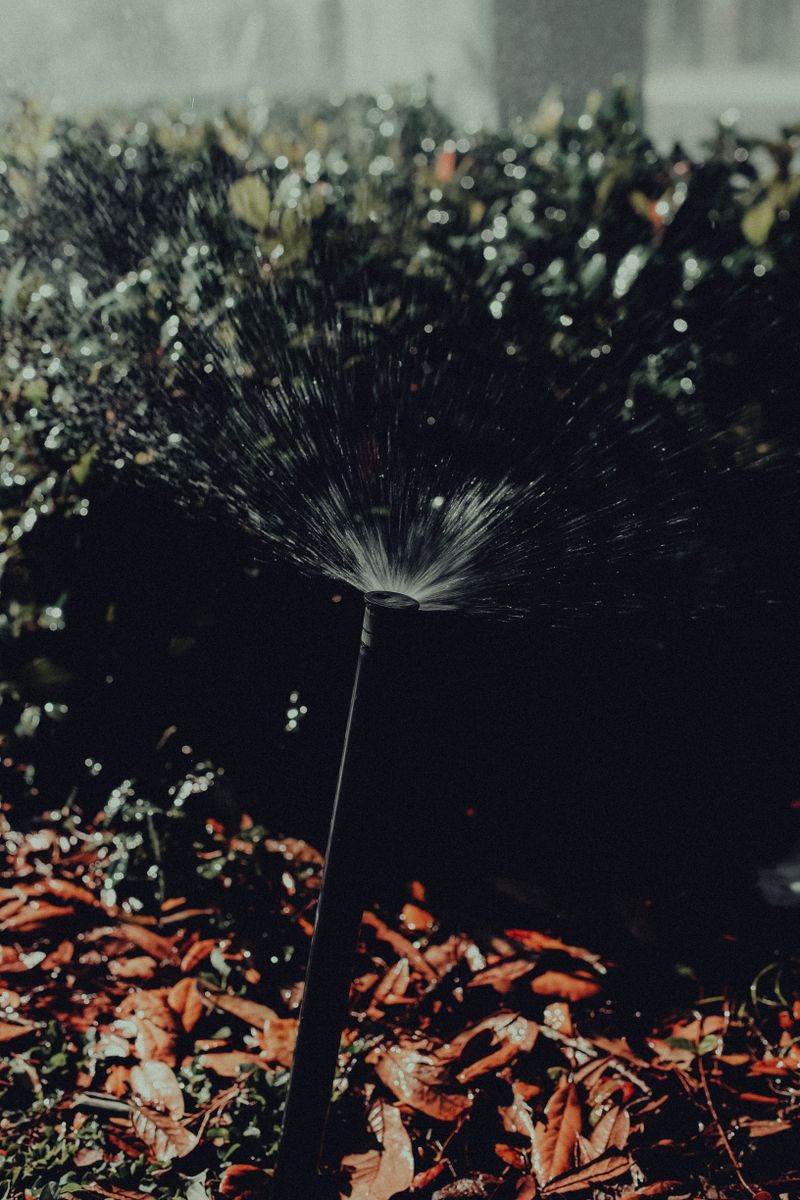
Watering seems like the simplest part of lawn care — turn on the sprinkler and walk away. But improper watering is one of the top reasons lawns thin out, develop disease, grow shallow roots, and eventually fail. Water too little and grass desiccates. Water too much and you invite fungal disease, root rot, pest problems, and wasted money on your utility bill.
The question “how often should I water my lawn?” doesn’t have a single answer. It depends on your grass type, your climate, your soil, and the time of year. This guide breaks down all the variables so you can build a watering schedule that keeps your lawn thriving year-round with maximum efficiency.
The Foundation: How Much Water Does Grass Actually Need?
Most established lawns need 1 to 1.5 inches of water per week, including rainfall. That’s the starting baseline for virtually all grass types in most climates during the growing season.
The key is how that water is delivered. Deep, infrequent watering produces far better results than frequent, shallow watering. Here’s why:
- Shallow watering keeps moisture near the surface, encouraging grass roots to stay near the top of the soil.
- Shallow-rooted grass is vulnerable to heat, drought, and foot traffic stress.
- Deep watering drives moisture 6–8 inches into the soil, forcing roots to follow.
- Deep-rooted grass is dramatically more resilient, drought-tolerant, and disease-resistant.
Instead of watering a little every day, aim to water 2–3 times per week, delivering enough moisture each session to penetrate 6 inches into the soil. This approach builds the root depth that separates a great lawn from a struggling one.
Watering by Grass Type
Different grass species have different water requirements. Knowing which type you have is the first step to dialing in the right schedule.
Cool-Season Grasses
Cool-season grasses grow most actively in spring and fall and often go semi-dormant during summer heat. They typically need more water during spring and fall growth periods.
- Kentucky Bluegrass: Moderate to high water need. Requires consistent moisture — 1 to 1.5 inches per week. Does not tolerate drought well and will go dormant (brown) during extended dry periods.
- Tall Fescue: Lower water need than bluegrass. Deep root system makes it one of the most drought-tolerant cool-season grasses. Needs about 1 inch per week during growing season, less in cooler months.
- Fine Fescue: Very low water need. Often used in low-maintenance and no-mow seed mixes. Tolerates dry, shaded conditions well.
- Perennial Ryegrass: Moderate water need. Similar requirements to Kentucky bluegrass. Needs consistent moisture but good drainage.
Warm-Season Grasses
Warm-season grasses thrive in heat and are generally more drought-tolerant than cool-season varieties. They actively grow from late spring through early fall.
- Bermuda Grass: Low to moderate water need. Very heat and drought tolerant once established. Needs about 1 inch per week during peak summer, less in cooler shoulder seasons.
- Zoysia Grass: Low water need. One of the most drought-tolerant turf grasses. Grows slowly but establishes deep roots that sustain it through dry periods.
- St. Augustine Grass: Moderate to high water need. Needs consistent moisture — especially in sandy soils — to maintain color and density. About 1 inch per week minimum.
- Centipede Grass: Low water need. Prefers infrequent, deep watering. Overwatering centipede is a common mistake and leads to decline.
- Buffalo Grass: Very low water need. Native to the Great Plains and extremely drought-adapted. One of the lowest-water-use turf options available.
Watering Frequency by Season
Your lawn’s water needs change dramatically throughout the year. A fixed schedule set once and forgotten will inevitably over-water in cool, wet months and under-water in hot, dry periods.
Spring
- Cool-season grasses are in active growth — water 2–3 times per week if rainfall is insufficient.
- Warm-season grasses are waking up from dormancy — gradually increase watering as temperatures rise.
- Monitor soil moisture closely; spring rains often provide adequate moisture and irrigation may not be needed.
Summer
- This is peak demand season, especially in hot, dry climates.
- Cool-season grasses may slow growth or go semi-dormant — allow it rather than forcing green with excessive watering, which stresses the plant.
- Warm-season grasses hit their stride — water deeply 2–3 times per week, more frequently in extreme heat.
- Evapotranspiration (ET) rates are highest in summer, meaning your lawn loses water faster. Adjust accordingly.
Fall
- Cool-season grasses enter their second growth peak — reduce watering but maintain 1–1.5 inches per week until the ground freezes.
- Warm-season grasses begin slowing — taper watering frequency as temperatures drop.
- Continue watering until the first hard freeze; dry soil going into winter stresses grass roots.
Winter
- Most grasses are dormant and need minimal to no supplemental irrigation.
- Exception: In warm climates where temperatures stay above 40°F, warm-season grasses may need occasional watering during extended dry spells.
How Soil Type Affects Your Watering Schedule
Soil type dramatically changes how water moves through your lawn and how long moisture is retained. Two lawns with identical grass types in identical climates can have very different watering needs based solely on their soil.
Sandy Soil
- Water drains quickly — often within an hour of irrigation.
- Needs more frequent watering (potentially every other day in peak summer) but with shorter run times.
- Struggles to hold nutrients alongside water.
- Fix: Add compost or organic matter to improve water retention over time.
Clay Soil
- Water drains very slowly and can pool on the surface or run off before being absorbed.
- Prone to compaction, which further reduces infiltration.
- Needs less frequent watering but runs the risk of waterlogging and root rot if overdone.
- Fix: Aerate regularly to improve infiltration. Water in short cycles with a soak period between runs (called “cycle and soak”).
Loam Soil
- The ideal lawn soil — a mix of sand, silt, and clay.
- Retains moisture well while draining adequately.
- Standard watering recommendations work best for loam soil.
To check your soil type, squeeze a moistened handful into a ball. If it holds shape and feels sticky, it’s clay-dominant. If it falls apart immediately, it’s sandy. Loam holds its shape briefly but crumbles easily.
A soil moisture meter takes the guesswork out of watering. Insert the probe into the soil — if moisture reads adequate in the top 6 inches, skip irrigation regardless of your scheduled day.
Deep vs. Shallow Watering: How to Tell the Difference
The goal of each watering session is to wet the top 6 to 8 inches of soil. Shallow watering only wets the top 1–2 inches and evaporates quickly.
How to Measure Your Watering Depth
- Run your sprinklers for their normal cycle.
- Wait 30 minutes, then push a screwdriver or thin rod into the turf.
- It should slide easily through moist soil. Note the depth at which resistance increases — that’s where dry soil begins.
- If the screwdriver only penetrates 2 inches easily, double your run time.
How to Measure Water Output
Use the “tuna can test” to measure how much water your sprinklers deliver:
- Place several empty tuna cans or straight-sided containers around the lawn within your sprinkler zone.
- Run the sprinklers for 15 minutes.
- Measure the water depth in the cans.
- Multiply by 4 to find your hourly output, then calculate how long to run to deliver 1 inch.
Most pop-up rotary sprinklers deliver 1 inch of water in about 45–60 minutes. Fixed spray heads are faster — often 20–30 minutes for 1 inch.
Signs Your Lawn Is Underwatered
Catching underwatering early prevents permanent damage. Watch for these signals:
- Folded or rolled grass blades: Many grass types fold lengthwise when stressed from lack of moisture.
- Footprints that stay visible: Healthy grass springs back immediately when walked on. Dehydrated grass stays compressed.
- Blue-gray color: Grass that’s changing from green to a dull blue-gray is in drought stress.
- Wilting or drooping: Blades lose rigidity and lie flat.
- Dry, cracked soil: Visible surface cracks indicate severe moisture deficit.
Signs Your Lawn Is Overwatered
Overwatering is just as damaging — and more common than most homeowners realize.
- Spongy or mushy feel when walking on the lawn.
- Standing water or puddles that persist for hours after irrigation.
- Fungal disease: Dollar spot, brown patch, and pythium blight all thrive in constantly moist conditions.
- Moss and algae growth on soil surface.
- Weeds and pests: Wet conditions favor crabgrass, sedge, and insects like sod webworms.
- Shallow root system: Roots don’t need to grow deep if moisture is always available at the surface.
- Yellowing grass: Nitrogen gets leached out of saturated soil, causing nutrient deficiency symptoms.
Best Time of Day to Water Your Lawn
Timing matters almost as much as quantity. The best time to water your lawn is early morning, between 4 a.m. and 10 a.m.
Here’s why morning watering wins:
- Reduced evaporation: Cooler temperatures and lower wind speeds mean more water reaches the roots instead of evaporating.
- Disease prevention: Grass blades wet from morning watering dry off quickly as temperatures rise. Wet leaves going into the night create ideal conditions for fungal disease.
- Water pressure: Municipal water pressure is typically highest in the early morning before high-demand periods.
Why Evening Watering Is a Problem
Watering in the evening or at night leaves grass blades wet for 8–12 hours. This prolonged moisture is the primary trigger for fungal diseases like brown patch, dollar spot, and gray leaf spot. Evening watering is one of the fastest ways to invite serious lawn disease problems.
Midday Watering
Watering in the heat of the day isn’t as problematic as evening (it won’t “burn” grass, despite the myth), but it’s inefficient. Up to 30–40% of water applied at peak heat can evaporate before reaching the root zone.
Smart Irrigation: The Future of Lawn Watering
Manual watering schedules have one major flaw: they don’t adjust for weather. Running your sprinklers on a timer after two days of rain wastes water and contributes to overwatering.
Smart irrigation controllers solve this problem by connecting to local weather data and automatically adjusting or skipping watering cycles based on rainfall, temperature, humidity, and wind.
Top Smart Controllers
- Rachio 3 Smart Sprinkler Controller: One of the most popular and well-reviewed options. Connects to your Wi-Fi, integrates with weather services, and can be controlled via smartphone app. Compatible with most existing irrigation systems.
- Orbit B-hyve Smart Sprinkler Controller: An affordable alternative with solid features including weather-based scheduling and remote control. Works with Alexa and Google Assistant.
Both systems can typically pay for themselves within one or two seasons through water savings alone.
Rain Sensors
If a full smart controller upgrade isn’t in the budget, a rain sensor is a simple, affordable addition that prevents your system from running during or after rainfall.
- A wireless rain sensor attaches to your roof or eave and sends a signal to your controller to skip scheduled cycles when it detects rainfall.
- Basic wired models cost as little as $15–20 and install in under an hour.
- They’re required by law in some states (including Florida) and are strongly recommended everywhere.
Soil Moisture Sensors
For the most precise watering, in-ground soil moisture sensors monitor actual soil conditions and only trigger irrigation when moisture drops below a set threshold. They pair with compatible smart controllers for a fully automated, responsive system.
Measuring Rainfall with a Rain Gauge
Knowing how much natural rainfall your lawn has received helps you calibrate supplemental irrigation accurately. A simple rain gauge placed in an open area of your yard gives you real data to work with.
After a rainfall event, check the gauge and subtract that amount from your target weekly inches. If you received 0.75 inches of rain, you only need to supplement with 0.25–0.75 inches to hit your weekly target.
Sprinkler Options for Home Lawns
Choosing the right sprinkler type for your lawn size and shape affects both coverage quality and watering efficiency.
- Oscillating sprinklers: The classic fan-spray type. Covers rectangular areas well and is ideal for small to medium lawns. Easy to move around.
- Rotary sprinklers: Cover large circular areas. Better for open, round lawns. Lower application rate reduces runoff on clay soils.
- Impact sprinklers: Durable and reliable for large areas. Distinctive “chik-chik” sound. Adjustable arc and range.
- In-ground systems: Best for consistent, automated coverage. Requires professional installation but delivers the most precise and uniform watering.
Building Your Watering Schedule: A Simple Framework
Put it all together with this decision framework:
- Identify your grass type and its water needs.
- Check your soil type — adjust frequency based on drainage.
- Set a base target of 1–1.5 inches per week during growing season.
- Subtract rainfall using a rain gauge or smart controller.
- Water 2–3 times per week with deep, 6-inch penetration per session rather than daily shallow sprints.
- Always water in the morning to allow daytime drying of grass blades.
- Monitor for over- and underwatering signs and adjust as needed.
- Install a rain sensor or smart controller to automate weather adjustments.
Conclusion
Watering your lawn correctly isn’t about following a rigid schedule — it’s about understanding your grass, your soil, and your local conditions and adjusting accordingly. Deep, infrequent watering builds resilient roots. Morning watering prevents disease. Smart controllers eliminate waste and remove the guesswork.
Get these fundamentals right and your lawn will be healthier, greener, and more drought-tolerant than it’s ever been — while your water bill goes in the right direction.
Turn watering advice into a measured schedule
These resources connect weekly watering targets to catch-can output, sprinkler coverage, grass type, and smart-controller settings.
- Sprinkler output and watering schedule calculator
Calculate inches per hour and runtime from a catch-can test, rainfall, and allowed days.
- Sprinkler system installation guide
Connect runtime questions to zones, heads, pressure, and coverage.
- Best lawn sprinklers
Choose a portable sprinkler after setting water-depth and coverage goals.
- Smart sprinkler controller guide
Compare controller features after measuring real zone output.
- Common lawn disease identification
Rule out disease, wet foliage, and stress patterns before changing watering alone.
- Lawn diagnosis and irrigation log
Record symptoms, catch-can results, weather, and follow-up before changing runtime.

TurfTech HQ Editorial Team
Independent trade-focused editorial team