How to Create a Low-Maintenance Lawn
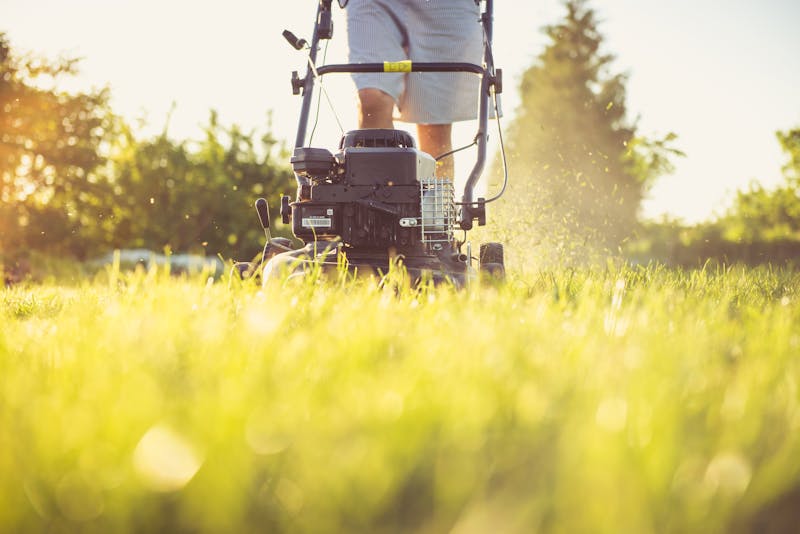
A lush, green lawn is the centerpiece of most yards — but it shouldn’t consume your weekends. The secret to a low-maintenance lawn isn’t neglect; it’s making smart choices up front about grass type, soil health, watering, and mowing habits that reduce the amount of ongoing work your lawn demands.
This guide covers every step from planning to seasonal upkeep, so you can enjoy a great-looking lawn with far less effort.
1. Choose the Right Grass for Your Climate
The single most impactful decision you’ll make is selecting a grass variety that naturally thrives in your region. Planting the wrong grass means fighting nature every step of the way — more watering, more fertilizing, more disease, and more frustration.
Cool-Season Grasses (Northern US)
Cool-season grasses grow actively in spring and fall and go semi-dormant in summer heat. Best for zones 1–6.
- Tall Fescue: Deep-rooted, drought-tolerant, and disease-resistant. One of the lowest-maintenance cool-season options. Look for “turf-type tall fescue” blends.
- Kentucky Bluegrass: Spreads via rhizomes to fill bare spots, but requires more water and fertilizer than tall fescue. Best in mixes.
- Fine Fescue: Excellent for shade and low-fertility soils. Requires very little fertilizer and tolerates drought well. Often found in “no-mow” seed mixes.
Warm-Season Grasses (Southern US)
Warm-season grasses thrive in heat and go dormant (brown) in winter. Best for zones 7–11.
- Bermudagrass: Aggressive spreader, handles heavy foot traffic, and needs relatively little water once established. Downside: it needs full sun.
- Zoysiagrass: Forms a dense, weed-resistant turf that requires less mowing than Bermuda. Slower to establish but very low maintenance long-term.
- Buffalograss: Native to the Great Plains. Extremely drought-tolerant and needs almost no fertilizer. The ultimate low-maintenance warm-season grass.
- Centipedegrass: Often called “lazy man’s grass.” Grows slowly, needs little fertilizer, and tolerates poor soils. Best in acidic soils of the Southeast.
The Transition Zone
If you live in the transition zone (roughly zones 6–7, from Kansas to Virginia), both cool- and warm-season grasses struggle. Tall fescue is generally the best low-maintenance choice here because of its deep root system and heat tolerance.
Action step: Contact your local county extension office or use the USDA plant hardiness zone map to confirm your zone and get region-specific grass recommendations.
2. Start with Healthy Soil
A low-maintenance lawn begins below the surface. Grass growing in healthy soil develops deep roots that access water and nutrients efficiently, reducing your need to irrigate and fertilize.
Test Your Soil
Before doing anything else, get a soil test. You can order a kit online or through your local extension office for $15–$25. A soil test tells you:
- pH level: Most grasses prefer 6.0–7.0. If your soil is too acidic, apply lime. If too alkaline, apply sulfur.
- Nutrient levels: Nitrogen (N), phosphorus (P), and potassium (K) — and micronutrients like iron.
- Organic matter content: Aim for 3–5% organic matter.
Amend Based on Results
- Low pH (< 6.0): Apply pelletized limestone at the rate recommended by your soil test. Fall is the best time.
- Low organic matter: Top-dress with ¼ inch of compost in spring or fall. This improves moisture retention, microbial activity, and nutrient availability.
- Compacted soil: Aerate with a core aerator (rent one for $60–$80/day) in fall for cool-season grass or early summer for warm-season grass. Aeration relieves compaction, improves drainage, and helps roots penetrate deeper.
Add Organic Matter Annually
Even after your initial amendments, top-dressing with a thin layer of compost once a year is one of the highest-ROI lawn care activities. It feeds soil microbes, improves soil structure, and reduces the need for synthetic fertilizers.
3. Water Smart — Less Often, More Deeply
More lawns are damaged by overwatering than underwatering. Frequent, shallow watering trains roots to stay near the surface, making the grass dependent on constant irrigation. Deep, infrequent watering forces roots to grow downward, accessing moisture reserves in the subsoil.
The Deep-and-Infrequent Rule
Water your lawn 1–1.5 inches per week, applied in 1–2 sessions. Use a rain gauge or empty tuna can to measure how long your sprinklers take to deliver ½–¾ inch, then water for that duration twice per week.
Water Early in the Morning
Water between 5:00–9:00 AM. At this time, wind is calm, evaporation is low, and the grass blades will dry quickly as the sun rises. Avoid evening watering — moisture sitting on grass overnight promotes fungal diseases.
Install a Smart Irrigation Controller
Smart controllers (like Rachio or Rain Machine) connect to Wi-Fi and use local weather data to adjust your watering schedule automatically. They skip watering after rain, increase during heat waves, and can save 20–40% on outdoor water use. Most pay for themselves within one season.
Use Drought-Tolerant Practices
- Let your grass grow slightly taller (see mowing section below) — taller grass shades the soil and reduces evaporation.
- Apply a layer of mulch around trees and garden beds to retain moisture.
- Accept slight browning during extended drought. Most grasses go dormant but recover when rain returns.
4. Mow the Right Way
Mowing is the most frequent lawn maintenance task, so doing it correctly saves time and keeps your lawn healthier.
Follow the One-Third Rule
Never remove more than one-third of the grass blade height in a single mowing. If your grass is 4 inches tall, don’t cut below 2.67 inches. Removing too much at once shocks the plant, weakens the root system, and opens the door to weeds and disease.
Set Your Mower Height High
For most grasses, a mowing height of 3–4 inches is ideal. Taller grass:
- Develops deeper roots
- Shades the soil surface, reducing weed germination and moisture loss
- Looks greener because more leaf surface is available for photosynthesis
Exceptions: Bermudagrass and zoysiagrass perform best at 1–2 inches.
Keep Your Mower Blade Sharp
A dull blade tears grass instead of cutting it cleanly. Torn grass tips turn brown, giving the lawn a dull appearance and creating entry points for disease. Sharpen your blade 2–3 times per season. A replacement blade costs $15–$25 and takes 10 minutes to swap.
Leave the Clippings
Grass clippings are roughly 80% water and contain valuable nitrogen. Leaving them on the lawn (grasscycling) returns nutrients to the soil and can reduce your fertilizer needs by 25%. Use a mulching blade for best results. The only time to bag clippings is when the lawn is diseased or when leaves are heavy in fall.
Mow When It’s Dry
Wet grass clumps, clogs the mower, and distributes unevenly. Wait until the grass is dry, ideally in the morning after dew has evaporated or in late afternoon.
5. Fertilize Strategically
Many homeowners over-fertilize, which creates rapid top growth at the expense of root development — the opposite of what a low-maintenance lawn needs.
How Much Fertilizer?
Most lawns need 2–4 lbs of actual nitrogen per 1,000 sq ft per year, split across 2–4 applications. Check your fertilizer bag for the N-P-K ratio and use an online calculator to determine how much product to apply.
When to Fertilize
- Cool-season grasses: Primary application in early fall (September). A lighter application in late spring (May) is optional. Avoid summer fertilizing — it promotes disease.
- Warm-season grasses: Primary application in late spring (May) when the grass is actively growing. A second application in mid-summer (July) is optional.
Use Slow-Release Fertilizer
Slow-release (also called controlled-release) fertilizers feed grass steadily over 6–8 weeks instead of causing a sudden growth surge. This means fewer applications, less mowing, and a more even appearance. Look for products labeled “slow release” or containing coated urea.
Consider Organic Options
Organic fertilizers (like Milorganite, alfalfa meal, or corn gluten meal) feed soil microbes along with the grass, improving long-term soil health. They’re also impossible to over-apply, making them forgiving for beginners.
6. Prevent Weeds Without Constant Effort
A dense, healthy lawn is the best weed prevention. When grass fills in completely, weeds can’t find space to germinate. But even a great lawn will face some weed pressure. Here’s how to handle it efficiently.
Pre-Emergent Herbicide
Apply a pre-emergent herbicide in early spring (when soil temperatures reach 55°F for 3–5 consecutive days) to prevent crabgrass and other annual weeds from germinating. This single application does the work of dozens of hours of hand-pulling later.
- Corn gluten meal: An organic pre-emergent that also adds nitrogen. Apply at 20 lbs per 1,000 sq ft.
- Dimension (dithiopyr) or Barricade (prodiamine): Synthetic options that provide 3–4 months of control.
Post-Emergent Spot Treatment
For broadleaf weeds like dandelions and clover, use a spot-spray weed killer rather than treating the entire lawn. A pump sprayer with a wand gives you precision and avoids wasting product.
Fill Bare Spots Quickly
Bare soil is an invitation for weeds. Seed bare spots within a week of noticing them. Rough up the soil surface, scatter seed, cover with a thin layer of compost, and keep it moist until germination.
7. Manage Thatch and Aeration
What Is Thatch?
Thatch is a layer of dead grass stems, roots, and debris that accumulates between the soil surface and the green grass blades. A thin layer (½ inch or less) is normal and beneficial. A thick layer (over ¾ inch) prevents water, air, and nutrients from reaching the soil.
Check Thatch Yearly
Cut a small wedge of turf and soil with a shovel and measure the thatch layer. If it’s over ¾ inch:
- Dethatch with a power rake or dethatching mower attachment in fall or spring.
- Prevent future buildup by avoiding over-fertilizing and overwatering, and by leaving grass clippings on the lawn (clippings decompose quickly and don’t contribute to thatch).
Aerate Every 1–3 Years
Core aeration pulls small plugs of soil from the ground, relieving compaction and improving air exchange, water infiltration, and root growth. For low-maintenance lawns:
- Cool-season grasses: Aerate in early fall.
- Warm-season grasses: Aerate in late spring.
- High-traffic lawns may need annual aeration. Low-traffic lawns can go 2–3 years between aerations.
8. Seasonal Low-Maintenance Calendar
Here’s a simplified annual schedule that covers the essentials without consuming your life:
Spring (March–May)
- Apply pre-emergent herbicide when soil reaches 55°F
- Begin mowing at proper height — don’t scalp the lawn on the first cut
- Spot-spray broadleaf weeds as they appear
- Test soil if you haven’t in the past 3 years
- Apply slow-release fertilizer (warm-season grasses only; cool-season grasses get a light feeding if needed)
Summer (June–August)
- Water deeply 1–2 times per week (1–1.5 inches total)
- Mow at the highest recommended height for your grass type
- Skip fertilizer for cool-season grasses
- Apply second round of fertilizer for warm-season grasses (if needed)
- Monitor for grub damage (brown patches that pull up easily) and treat if necessary
Fall (September–November)
- Apply primary fertilizer for cool-season grasses
- Aerate if needed
- Top-dress with compost
- Overseed thin areas (cool-season grasses)
- Apply pre-emergent for winter annual weeds (optional)
- Keep leaves cleared — a heavy leaf mat smothers grass
Winter (December–February)
- Avoid walking on frozen grass
- Service your mower and sharpen the blade
- Plan any lawn renovations for spring
- Order soil test kits and seed for the upcoming season
9. Consider Lawn Alternatives for Tough Areas
Not every part of your yard needs to be turf grass. For areas where grass struggles — deep shade, steep slopes, or soggy spots — consider low-maintenance alternatives:
- Ground covers: Creeping thyme, clover, or vinca vine thrive where grass fails and need no mowing.
- Mulched beds: Replace struggling turf with mulched planting beds featuring drought-tolerant perennials.
- Artificial turf: For small, high-use areas, synthetic turf eliminates mowing, watering, and fertilizing entirely.
- No-mow fescue blends: Seed mixes containing fine fescues that grow to 6–8 inches and then flop over, creating a natural meadow look that needs cutting only once per year.
10. The Low-Maintenance Mindset
The overarching principle is to work with your environment, not against it. When you choose the right grass, build healthy soil, water deeply, mow high, and fertilize moderately, your lawn largely takes care of itself. You’ll spend less time chasing problems and more time enjoying your yard.
Remember: a perfect lawn and a low-maintenance lawn are not the same thing. A few weeds, some minor thinning, and seasonal color changes are normal. Embrace the imperfections and focus on overall health — that’s what makes a lawn truly easy to maintain.
Whether you’re starting from bare soil or trying to rehabilitate an existing lawn, the strategies in this guide will help you create an outdoor space that looks great year-round without demanding hours of work every weekend. Start with soil health and grass selection — the two foundations that everything else builds on — and you’ll be surprised how much easier lawn care becomes.

TurfTech HQ Editorial Team
Independent trade-focused editorial team