How to Overseed a Lawn: Complete Guide for a Thicker, Greener Yard
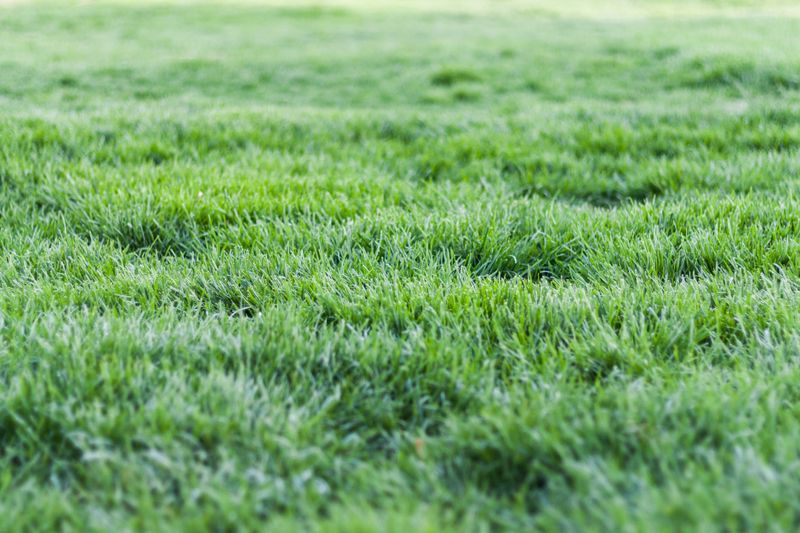
If your lawn is starting to look thin, patchy, or faded — or if it’s been several years since you’ve done anything to renovate the turf — overseeding is one of the highest-return investments you can make in your lawn. It costs a fraction of re-sodding, doesn’t require killing the existing lawn, and when done correctly, delivers visible thickening and greening within 3–4 weeks.
Overseeding is the practice of spreading new grass seed directly into existing turf without fully tearing it up. When paired with proper timing, good seed selection, and the right prep work, it can transform a thin, worn-out lawn into the dense, uniform turf you want — introducing newer grass varieties with improved disease resistance, drought tolerance, and overall performance at the same time.
This guide covers everything you need to know: why overseeding works, the best time to do it for your grass type, how to prepare the lawn, how to apply seed properly, and how to care for the lawn through germination and early establishment.
Why Overseeding Works
Grass plants don’t live forever. Cool-season grasses like Kentucky bluegrass, tall fescue, and perennial ryegrass naturally thin over time due to:
- Normal plant aging and turnover — individual grass plants have a finite lifespan
- Summer heat and drought stress that kills weakened plants
- Disease, insect damage, and traffic wear that creates bare patches
- Soil compaction that limits root depth over time
Overseeding replenishes the population of actively growing grass plants, keeping density high and filling in the gaps that weeds are constantly trying to exploit. A thick, dense lawn is fundamentally a numbers game — the more plants per square foot, the less room weeds have to establish.
Beyond simple density, overseeding allows you to introduce improved grass varieties developed by turfgrass researchers. The varieties sold today are dramatically better than those available even 10–15 years ago in terms of:
- Disease resistance (brown patch, dollar spot, gray leaf spot)
- Drought and heat tolerance
- Shade performance
- Color and texture
If your lawn was seeded or sodded more than 8–10 years ago, overseeding with a modern variety blend can meaningfully upgrade its performance even if it currently looks fine.
Overseeding vs. Full Renovation: Which Does Your Lawn Need?
Overseeding improves an existing lawn — it doesn’t replace it. Knowing when to overseed vs. when to do a full renovation is key.
Overseed When:
- More than 50–60% of the lawn area has desirable grass that you want to keep
- The lawn is thin and patchy but structurally sound (no severe compaction, pH is within range, drainage is adequate)
- You have bare patches scattered throughout an otherwise acceptable lawn
- You want to improve performance characteristics (drought tolerance, disease resistance, color) of an existing stand
Consider Full Renovation When:
- More than 40–50% of the lawn is weeds, invasive grasses (bermuda in a cool-season lawn, etc.), or dead material
- Soil has severe problems (extreme compaction, pH below 5.5 or above 7.5, poor drainage) that need correction at depth
- You’re changing grass species entirely (e.g., converting a warm-season lawn to cool-season, or switching varieties)
- The lawn has had a severe, repeated pest or disease problem that suggests systemic soil or cultural issues
If renovation is needed, a non-selective herbicide application, soil correction, and full reseeding is the right path. If overseeding is the right call, read on.
Best Time to Overseed by Grass Type
Timing is the most critical factor in successful overseeding. Seed germination requires adequate soil temperature and moisture, and the young seedlings need weeks of favorable growing conditions to establish before harsh weather arrives.
Cool-Season Grasses: Early Fall Is the Window
Early fall (late August through mid-September) is the ideal overseeding window for cool-season grasses (Kentucky bluegrass, tall fescue, fine fescue, perennial ryegrass):
- Soil is still warm from summer — warm soil dramatically accelerates germination
- Air temperatures are cooling — cooler days reduce heat stress on germinating seedlings
- Natural rainfall increases in fall in many regions
- Weed competition decreases — annual weeds like crabgrass are dying off, leaving less competition for new seedlings
- Long establishment window: Seedlings have 6–8 weeks before cold weather, enough time to root and harden before winter
Do not miss this window. Overseeding cool-season lawns in late October or November dramatically reduces success because the soil is too cold for adequate germination and seedlings don’t have time to establish before freezing temperatures arrive.
Secondary window for cool-season lawns: Early spring (March–April) works but is less ideal. Spring overseeding competes with weed pressure (crabgrass, annual grassy weeds) and gives seedlings limited time before summer heat arrives. If you must overseed in spring, do it as early as possible.
Warm-Season Grasses: Late Spring Through Early Summer
Warm-season grasses (bermudagrass, zoysia, centipede, buffalograss) germinate best when soil temperatures are consistently above 65–70°F — typically late spring to early summer (May–June depending on your region).
- Overseed bermudagrass in late May through June when soil is warm
- Zoysia germinates well in June
- Do not overseed warm-season grasses in fall or winter — seedlings will not establish before dormancy and will likely die
For overseeding with cool-season grass in warm-season lawns: Some homeowners overseed bermuda or zoysia lawns with perennial ryegrass in fall for winter color. This is a separate practice (called “winter overseeding”) with its own timing and management requirements, most commonly done in October for southern climates.
Selecting the Right Seed
Choosing the right seed is as important as timing. Using the wrong variety — or low-quality seed — is one of the most common overseeding mistakes.
Match Your Existing Grass Species
If you’re overseeding to thicken existing turf, start with seed that matches your current grass species. Mixing dramatically different grass types creates a lawn that looks patchy, with different textures, colors, and growth rates.
- If you have a Kentucky bluegrass lawn, overseed with a Kentucky bluegrass blend (or a bluegrass/ryegrass blend for faster establishment)
- If you have a tall fescue lawn, use a tall fescue blend that includes newer varieties like ‘Rebel IV’, ‘Firecracker’, or ‘Titanium’
- If you have a bermudagrass lawn, use hulled bermuda seed matched to your existing variety (if known)
Choose Improved Modern Varieties
Don’t just buy the cheapest bag on the shelf. Turfgrass breeding has advanced enormously and improved varieties genuinely perform better in real-world conditions. Look for:
- Pennington Smart Seed: Uses water-saving technology and includes improved cool-season variety blends. Good for most of the northern U.S.
- Jonathan Green Black Beauty Ultra: Premium tall fescue/bluegrass blend with deep-rooted, drought-tolerant varieties. One of the best consumer products for the transition zone and Northeast.
- Scotts Turf Builder Grass Seed: Widely available in region-specific blends for sun/shade and grass type. Coated seed for improved germination.
- Barenbrug’s Water Saver Fescue Blend: Highly drought-tolerant tall fescue blend; excellent for water-limited regions.
Always check the seed tag, not just the marketing on the front of the bag. The tag (legally required) lists variety names, purity percentages, germination rates, and test dates. Look for:
- Germination rate above 85% for most species
- Test date within the last 12 months (old seed has declining germination rates)
- Weed seed percentage of 0.00% (or as close as possible)
- Named varieties rather than just species — “tall fescue” with no variety name is typically commodity seed with lower performance
Step 1: Mow Short Before Overseeding
About 3–5 days before seeding, mow your lawn shorter than normal — typically 1.5–2 inches for cool-season grasses that are normally maintained at 3–4 inches. A shorter mowing height:
- Reduces competition from existing grass canopy shading out new seedlings
- Makes it easier for seed to fall through the canopy and reach the soil surface
- Improves your ability to dethatch and aerate effectively
After mowing short, bag the clippings rather than mulching — you want the surface as clear as possible.
Step 2: Dethatch If Needed
Thatch is the layer of partially decomposed organic matter (stems, roots, old clippings) that accumulates between the green grass blades and the soil surface. A thin thatch layer (less than ½ inch) is fine. But heavy thatch (over ½–¾ inch) blocks seed from reaching mineral soil and dramatically reduces germination success.
Check thatch thickness by inserting a screwdriver or pencil into the turf and measuring the spongy organic layer above the soil.
If thatch exceeds ½ inch, dethatch before overseeding:
- Brinly Dethatcher / Scarifier: Pull-behind unit for riding mowers; efficient for larger lawns
- Sun Joe Electric Dethatcher: Corded electric model for smaller residential lawns; easy to use, good results
Run the dethatcher in two perpendicular passes for thorough thatch removal. Rake and remove the debris — this is messy but critical. Leaving piles of pulled thatch on the lawn smothers new seedlings.
Step 3: Core Aerate for Best Results
Core aeration is the single most impactful thing you can do to improve overseeding success. A core aerator removes small plugs of soil from the lawn, creating:
- Direct holes for seed to fall into and make immediate soil contact
- Reduced compaction that improves root penetration
- Channels for water and fertilizer to reach the root zone
- Better seed-to-soil contact — the number one factor in germination success
On a non-aerated lawn, seed rests on thatch or old grass and may never contact mineral soil. Seed in a core aeration hole is buried, has excellent soil contact, and germinates at dramatically higher rates.
Core aeration rentals are available from most equipment rental stores for $60–$100/day. This is worth every penny if you’re serious about overseeding results. For large lawns, consider hiring a lawn care company to aerate — commercial machines are faster and more effective than rental units.
Optimal aeration timing: Aerate 1–2 days before seeding. Aerate when soil is slightly moist (not dry, not saturated) for the cleanest plug extraction.
Leave the plugs on the lawn. The soil cores will break down within 1–2 weeks and serve as a light topdressing that improves seed-to-soil contact further.
Step 4: Spread Seed at the Correct Rate
Seeding rate varies by species and whether you’re overseeding vs. starting from bare soil. For overseeding into existing turf, use the higher end of the recommended range to compensate for reduced germination from competition.
Typical Overseeding Rates (per 1,000 sq ft)
| Grass Type | Overseeding Rate |
|---|---|
| Kentucky Bluegrass | 2–3 lbs |
| Tall Fescue | 6–8 lbs |
| Perennial Ryegrass | 5–8 lbs |
| Fine Fescue | 3–5 lbs |
| Bermudagrass (hulled) | 1–2 lbs |
| Zoysia | 1–2 lbs |
Check the specific seed bag label — coated seeds weigh more and are applied at higher rates to achieve the same number of seeds per sq ft.
Spreading Equipment
Broadcast spreader (rotary spreader) is the standard tool for overseeding:
- Scotts Turf Builder Edgeguard Mini Broadcast Spreader: Ideal for small to medium lawns (up to 5,000 sq ft). Easy to calibrate, consistent spread pattern.
- Earthway Commercial Broadcast Spreader: Better for larger lawns; wider spread width covers more ground per pass.
Apply in two perpendicular passes at half the total rate (split the total seed into two equal portions, apply one half north-south and the other half east-west). This ensures even, complete coverage without gaps or stripes.
Slit seeder (overseeder machine): For best possible results — especially if you’re doing minimal aeration — rent a slit seeder. This machine cuts small furrows in the soil and drops seed directly into them, combining seeding and seed-to-soil contact in a single pass. It’s the most reliable method for difficult situations (heavy thatch, compacted soil, slopes).
After Spreading: Lightly Rake or Roll
After broadcasting seed, lightly rake with a leaf rake to work seed into the thatch layer and aeration holes. Don’t bury seed deeply — just work it into light contact with the soil. Alternatively, go over the area with a lawn roller (one-third filled with water) to press seed firmly against the soil surface.
Step 5: Apply Starter Fertilizer
A starter fertilizer applied immediately after seeding provides the phosphorus that new roots need to establish quickly. Look for a product with a high middle number (phosphorus) like:
- Scotts Turf Builder Starter Food for New Grass (24-25-4): The most widely available and well-regarded consumer starter fertilizer
- Pennington Ultragreen Starter Fertilizer (22-23-4): Good alternative; available in larger quantities
Apply at label rate immediately after seeding and water in. Do not use a standard lawn fertilizer (high nitrogen, low phosphorus) for new seed — high nitrogen promotes top growth at the expense of root development, which is the opposite of what you need.
One important caveat: Do not apply a pre-emergent herbicide at the same time as overseeding. Pre-emergents prevent seed germination — they cannot distinguish between weed seeds and desirable grass seed. If you recently applied a pre-emergent (within 8–10 weeks), seeding into that area will likely fail.
Step 6: Watering Schedule Through Germination
Consistent moisture from seeding through germination is the most critical factor in overseeding success. Seeds that dry out during germination die — there is no recovery once the germination process has begun and moisture is lost.
From Seeding to Germination
- Water lightly 2–3 times per day to keep the top ½ inch of soil consistently moist
- Each watering should be brief — 5–10 minutes per zone — enough to wet the seed zone without washing seed away
- Never let the seeded area dry out completely during germination — check the surface by touching; it should feel consistently damp
- On hot, windy days, increase watering frequency. On cool, cloudy days, once daily may be sufficient.
Germination Timeline by Species
| Grass Species | Germination Time |
|---|---|
| Perennial Ryegrass | 5–7 days |
| Tall Fescue | 7–12 days |
| Fine Fescue | 7–14 days |
| Kentucky Bluegrass | 14–21 days |
| Bermudagrass | 7–14 days |
| Zoysia | 14–21 days |
Do not be alarmed if germination is slow. Kentucky bluegrass in particular can take 3 full weeks in cool soil — this is normal. Keep watering consistently throughout the entire germination window.
After Germination: Transition to Deeper Watering
Once seedlings are visible and 1–1.5 inches tall, gradually reduce watering frequency and increase duration per session:
- Week 3–4: Water once daily, deep enough to wet the top 2 inches
- Week 5–6: Water every other day
- Week 7+: Transition to normal lawn watering schedule (deep and infrequent — 1–1.5 inches per week)
Step 7: First Mow of Overseeded Areas
Wait until new seedlings reach at least 3–3.5 inches tall before mowing. This is typically 3–4 weeks after germination, depending on growth rate.
First mow guidelines:
- Set the mower no lower than 3 inches — never cut more than one-third of the blade at a time
- Use a sharp blade — a dull blade tears young seedlings and can pull them out of the soil before roots are fully established
- The first 2–3 mowings on a newly seeded area should be gentle and light — avoid sharp turns that twist turf and dislodge seedlings
- Bag or remove clippings for the first mow to reduce light-blocking debris on the young seedlings
Common Overseeding Mistakes
- Seeding too late in fall: Missing the soil-temperature window is the single most common cause of overseeding failure
- Skipping aeration: Seed that can’t reach mineral soil won’t germinate well. Aeration transforms results.
- Inconsistent watering during germination: Even one day of drying out during active germination kills emerging seedlings
- Using the wrong seed: Old seed, wrong species, or cheap commodity seed delivers disappointing results even with perfect technique
- Applying a pre-emergent in fall before overseeding: Commonly done in spring for crabgrass control — if you have any fall pre-emergent residual, it will block new grass seed too
- Not mowing before seeding: Dense, tall grass canopy prevents seed from reaching the soil
- Over-fertilizing at seeding time: High nitrogen at seeding stimulates the existing lawn to compete with seedlings. Use starter fertilizer (high P), not a standard turf fertilizer.
Conclusion
Overseeding is the most cost-effective lawn renovation tool available — dramatically more affordable than re-sodding and more flexible than a full renovation. Done correctly, once a year, fall overseeding keeps cool-season lawns thick, dense, and weed-resistant year after year.
The keys are timing, preparation, and consistent watering. Overseed in that early-fall window when soil is warm but air is cooling. Core aerate for maximum seed-to-soil contact. Keep the surface moist through every day of germination. Apply starter fertilizer. And choose improved, modern varieties that outperform the seed used to establish lawns a decade ago.
Start with one or two of those practices if you’re new to overseeding — even just aerating and seeding with a quality variety blend will deliver visible improvement over doing nothing. Add the rest of the prep steps as your confidence and routine develop.
A thicker, greener, more resilient lawn is a season away. Get your timing right, get your seed down, and keep it moist. The grass will do the rest.

TurfTech HQ Editorial Team
Independent trade-focused editorial team