How to Prune Trees and Shrubs: A Complete Guide
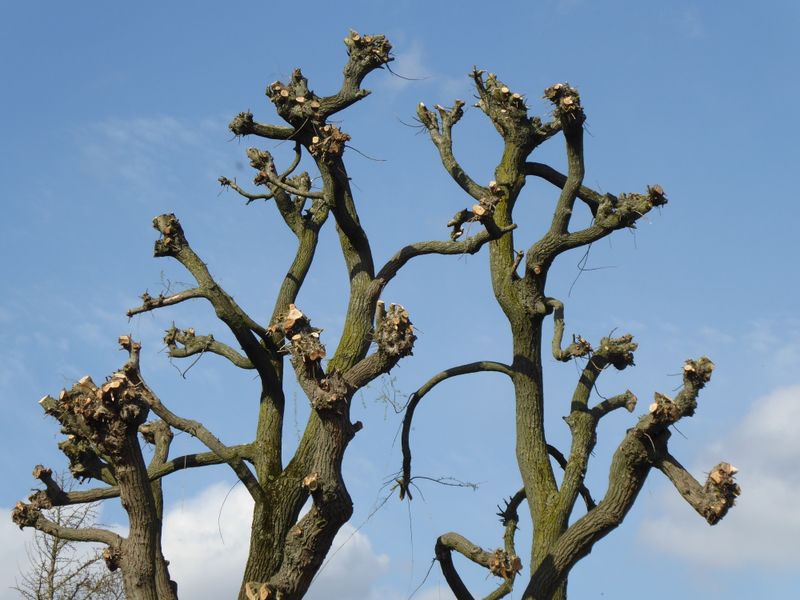
Pruning is one of the most powerful tools in a homeowner’s landscaping arsenal — and one of the most misunderstood. Done correctly, it improves plant health, enhances shape, boosts flowering, and keeps your property safe. Done poorly, it can disfigure plants for years or even kill them.
This complete guide walks you through everything you need to know about how to prune trees and shrubs, from the right tools and terminology to step-by-step cutting techniques and the most common mistakes to avoid.
Why Pruning Matters
Before picking up a pair of pruners, it helps to understand why we prune. There are four main goals:
1. Plant Health
Removing dead, diseased, or damaged wood prevents decay from spreading into healthy tissue. Thinning crowded branches improves air circulation and light penetration, reducing the risk of fungal disease.
2. Shape and Aesthetics
Strategic pruning guides plants into attractive, well-proportioned forms. It keeps shrubs from overtaking walkways and prevents trees from looking unruly.
3. Safety
Deadwood and weak branch unions can fail in storms, damaging structures or injuring people. Proactive pruning removes hazards before they become problems.
4. Improved Flowering and Fruiting
Many flowering shrubs and fruit trees produce more blooms and fruit when pruned correctly. Removing old wood stimulates the growth of vigorous new shoots that bear the most flowers.
Essential Pruning Terminology
Understanding a few key terms will make the rest of this guide — and any pruning advice you read — much easier to apply.
- Heading cut: Removing the tip of a branch to a bud or lateral branch. Stimulates vigorous, bushy regrowth just below the cut.
- Thinning cut: Removing an entire branch back to its point of origin at the trunk, main branch, or ground. Opens up the plant without stimulating excessive regrowth.
- Deadheading: Removing spent flowers to encourage more blooms and prevent seed formation.
- Crown reduction: Reducing the overall height or spread of a tree’s canopy by cutting back to lateral branches. Different from topping (which is destructive — more on that later).
- Suckers: Vigorous shoots that sprout from the base of a plant or from roots. Remove these promptly; they drain energy from the main plant.
- Water sprouts: Upright, fast-growing shoots that emerge from the trunk or main branches. Usually a sign of stress; remove them as they appear.
The Best Pruning Tools — and How to Choose
Using the right tool for each job makes pruning safer, faster, and better for the plant. Here are the essentials:
Hand Pruners (Bypass Pruners)
Best for: Stems and branches up to 3/4 inch in diameter.
Bypass pruners work like scissors, with two blades that pass each other. They make clean, precise cuts that heal well. Avoid anvil-style pruners for live wood — they crush tissue rather than cutting cleanly.
Top picks: Felco F-2 (the gold standard for professional use, Swiss-made, rebuilable) and Fiskars PowerGear2 (ergonomic and budget-friendly). Keep blades sharp and wiped down with rubbing alcohol between plants to prevent disease spread.
Loppers
Best for: Branches from 3/4 inch to 2 inches in diameter.
Loppers are essentially long-handled bypass pruners. The extended handles give you leverage and reach into dense shrubs. Gear-driven models like the Fiskars PowerGear Lopper multiply your cutting force, reducing hand fatigue on tough wood.
Pruning Saws
Best for: Branches 2 inches and larger.
Folding pruning saws (like the Silky Gomboy or Corona RS 7265) cut on the pull stroke and work far faster than reciprocating saws on green wood. For larger limbs, a fixed-blade pruning saw with a curved blade provides more control.
Pole Pruners
Best for: High branches you can’t safely reach from the ground.
A pole pruner combines a pruning head (with a bypass blade operated by a rope or cord) and a saw blade on an extendable pole. Electric and battery-powered pole pruners (such as those from WORX or Greenworks) make overhead work less exhausting. Always wear a hard hat and eye protection when working overhead.
Hedge Trimmers
Best for: Shearing formal hedges and topiaries.
Electric or battery-powered hedge trimmers make quick work of formal shearing. For informal shrubs and flowering species, hand pruners produce better results by preserving the plant’s natural form.
When to Prune: Timing by Plant Type
Timing is everything. Pruning at the wrong time won’t kill most plants, but it can cost you a season of blooms or leave plants vulnerable to frost damage.
Spring-Blooming Shrubs
Plants like forsythia, lilac, azalea, rhododendron, and flowering quince bloom on old wood — meaning they set their flower buds the previous summer and fall. Prune immediately after flowering, before new buds form. Pruning in late winter or early spring will cut off this year’s blooms.
Summer-Blooming Shrubs
Plants like butterfly bush, crape myrtle, spirea (some varieties), and rose of Sharon bloom on new wood — growth produced in the current season. Prune in late winter or early spring before new growth begins. This stimulates vigorous new shoots loaded with flower buds.
Deciduous Trees
The best time to prune most deciduous trees is late winter, just before bud break. The tree is dormant, wounds are exposed for only a short time before growth resumes, and the absence of leaves makes the branch structure easy to see. Avoid heavy pruning in fall — it can stimulate late growth that gets hit by frost.
Evergreen Trees and Shrubs
Most conifers and broadleaf evergreens are best pruned in late spring, after the initial flush of new growth has hardened off. This allows the plant to heal through the growing season. Avoid heavy pruning in late summer or fall.
Oak and Elm Trees
These species are susceptible to oak wilt and Dutch elm disease, which spread through fresh pruning wounds during certain seasons. Prune oaks only from October through February and elms from October through March, when bark beetles that spread these pathogens are inactive.
How to Make Proper Pruning Cuts
The quality of your cuts matters as much as your timing.
Cutting Back to a Bud (Heading Cut)
When removing the tip of a branch:
- Identify an outward-facing bud (growth will emerge in the direction the bud points).
- Make the cut at a 45-degree angle, slanting away from the bud.
- Position the cut about 1/4 inch above the bud — close enough that no stub remains, but far enough that the bud won’t dry out.
Removing Entire Branches (Thinning Cut)
When removing a branch back to the trunk or a main limb:
- Locate the branch collar — the slightly swollen, wrinkled zone where the branch meets the trunk. This tissue contains specialized cells that seal wounds.
- Make your cut just outside the branch collar, angling slightly away from the trunk.
- Never make flush cuts — removing the branch collar destroys the tree’s ability to compartmentalize the wound and dramatically increases decay risk.
Three-Cut Method for Large Limbs
For branches thicker than 1.5 inches, use the three-cut method to prevent the limb from tearing bark as it falls:
- Undercut: 12-18 inches from the trunk, cut upward about 1/3 of the way through the branch.
- Top cut: A few inches farther out from the trunk, cut downward all the way through. The limb will break cleanly at the undercut.
- Final cut: Remove the remaining stub just outside the branch collar.
Pruning Young Trees: Training for a Strong Structure
The most important pruning you’ll ever do on a tree happens in its first 5-10 years. Structural pruning while the tree is young prevents costly problems down the road.
Key Goals for Young Tree Pruning
- Establish a central leader: Most shade trees develop best with a single dominant trunk. Remove competing leaders early.
- Space scaffold branches: Select main branches that are spaced 12-18 inches apart vertically and radiate outward in different directions. Remove branches with narrow, tight angles of attachment — they’re prone to splitting.
- Remove rubbing and crossing branches: Branches that rub against each other create wounds that invite disease.
- Raise the canopy gradually: Remove the lowest branches over several years, never removing more than 1/4 of the live crown at once.
Early structural pruning is an investment that pays off for the entire life of the tree.
Common Pruning Mistakes to Avoid
Even experienced gardeners make these errors. Knowing them upfront saves plants — and money.
Over-Pruning (the “25% Rule”)
Never remove more than 25% of a plant’s live foliage in a single year. Leaves are the plant’s food factory. Removing too much at once causes stress, triggers excessive water sprout production, and can kill weakened plants.
Topping Trees
Tree topping — the practice of cutting back major branches to stubs, often done to reduce height — is one of the most harmful things you can do to a tree. It:
- Destroys the natural branch structure
- Triggers explosive, weakly attached regrowth
- Creates large wounds that invite decay
- Dramatically shortens the tree’s lifespan
- Actually increases storm hazard risk within a few years
If a tree has outgrown its space, consult a certified arborist about crown reduction or — if necessary — removal and replacement with a more appropriately sized species.
Lion’s Tailing
“Lion’s tailing” describes removing all the inner and lower branches of a tree, leaving foliage only at the branch tips (like a lion’s tail). This shifts weight to the ends of branches, increases wind sail effect, weakens branch structure, and stresses the tree. Maintain foliage distributed throughout the branch length.
Leaving Stubs
Stubs don’t heal cleanly. They die back, creating entry points for decay fungi. Always cut back to a bud, lateral branch, or the branch collar.
Using Dull Tools
Dull blades crush and tear tissue rather than cutting cleanly. Ragged wounds are harder for plants to seal and more susceptible to disease. Sharpen your tools at the start of each season and touch up blades as needed throughout the year.
A Note on Wound Dressings
For decades, it was standard practice to paint pruning wounds with tar-based wound dressings. Modern research has shown this is unnecessary and potentially harmful. Wound dressings don’t prevent decay — in fact, they can trap moisture and pathogens against the wound.
The exception: In regions where oak wilt is a serious concern, some experts still recommend painting oak wounds immediately after cutting to deter bark beetles. Check with your local extension service for regional guidance.
For all other trees and shrubs, let the plant’s natural compartmentalization process do its work.
Quick Reference: Pruning Calendar
| Plant Type | Best Pruning Time |
|---|---|
| Spring-blooming shrubs | Immediately after bloom |
| Summer-blooming shrubs | Late winter / early spring |
| Deciduous trees (most) | Late winter (dormant) |
| Evergreens | Late spring |
| Oaks (wilt-prone regions) | October – February |
| Elms (DED-prone regions) | October – March |
| Roses | Late winter / early spring |
| Fruit trees | Late winter (dormant) |
Recommended Tools Summary
| Task | Tool | Top Picks |
|---|---|---|
| Small stems (< 3/4”) | Bypass hand pruners | Felco F-2, Fiskars PowerGear2 |
| Medium branches (3/4”–2”) | Loppers | Fiskars PowerGear Lopper |
| Large branches (2”+) | Pruning saw | Silky Gomboy, Corona RS 7265 |
| High branches | Pole pruner | WORX WG309, Greenworks 20672 |
| Formal hedges | Hedge trimmer | Black+Decker LHT321, EGO HT2411 |
Conclusion
Pruning trees and shrubs correctly comes down to a few core principles: use the right tool, prune at the right time, make clean cuts at the right location, and never remove more than a quarter of the plant’s foliage at once. Avoid the temptation to top trees or over-thin shrubs, and you’ll be rewarded with healthier, more beautiful plants that are safer and easier to manage for years to come.
Start with young trees and build good habits early. For mature trees with significant structural issues or proximity to structures, don’t hesitate to call a certified arborist — the investment is well worth it. With the right knowledge and quality tools like Felco bypass pruners, a reliable Silky pruning saw, and a sturdy pole pruner, you have everything you need to keep your landscape in top shape.

TurfTech HQ Editorial Team
Independent trade-focused editorial team