Lawn Fertilizer Schedule: What to Apply and When
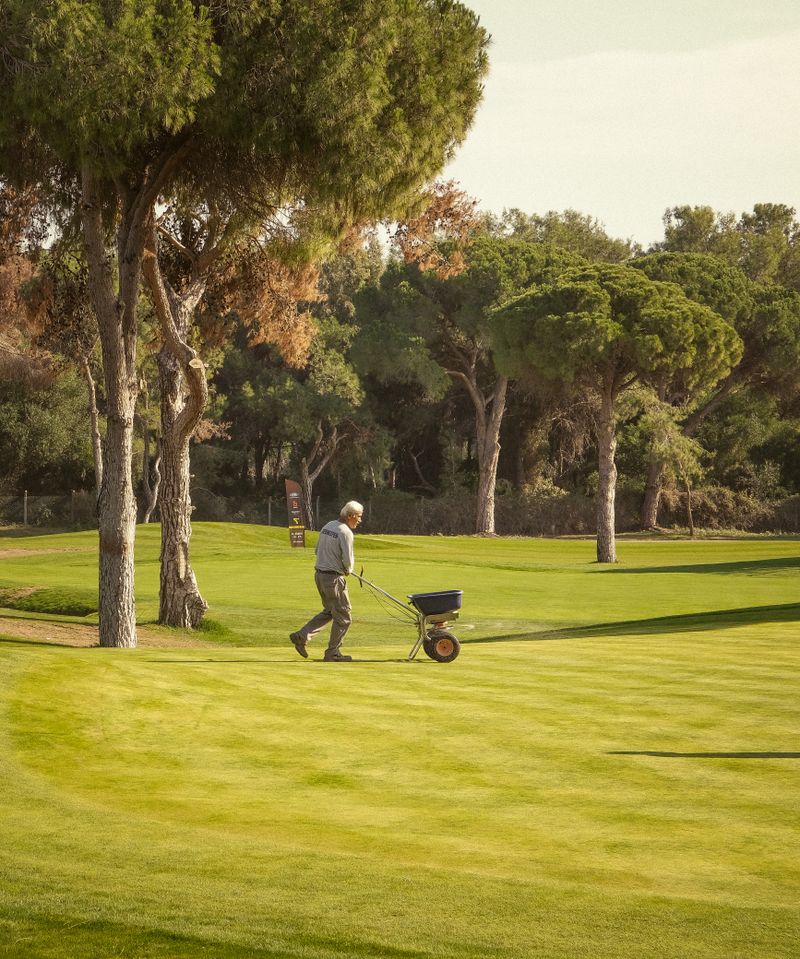
Walk into any garden center and you’ll find an overwhelming wall of fertilizer bags — each one promising the greenest lawn on the block. But buying the wrong product, applying it at the wrong time, or putting down too much can do more harm than a bag of fertilizer can fix. Lawn burn, nutrient runoff, wasted money, and turf damage are all common outcomes of a poorly planned fertilizing approach.
A smart lawn fertilizer schedule isn’t complicated, but it does need to account for your specific grass type, your region, your soil’s current nutrient levels, and the time of year. This guide gives you a complete framework — month-by-month calendars for both cool-season and warm-season lawns, a plain-English breakdown of NPK ratios, a comparison of fertilizer types, and the most common mistakes to avoid.
Why Fertilizing at the Right Time Matters
Grass, like any plant, can only use nutrients when it’s actively growing. Fertilizing a dormant lawn is wasteful at best and damaging at worst — nutrients that can’t be absorbed get washed into waterways, contributing to runoff pollution, or they accumulate to toxic levels in the soil.
The golden rule: fertilize when your grass is growing, not when it’s stressed or dormant.
Beyond timing, the type of fertilizer you apply matters. A high-nitrogen, quick-release fertilizer applied in peak summer heat can burn your lawn. A balanced, slow-release formula applied during active growth fuels steady, healthy turf development. Getting both timing and product right is the foundation of an effective fertilizer schedule.
Understanding NPK: What Those Three Numbers Mean
Every fertilizer bag displays three numbers on the label — for example, 32-0-10 or 10-10-10. These numbers represent the percentage by weight of three primary macronutrients:
- N — Nitrogen (first number): Drives leaf and shoot growth. Responsible for the deep green color most homeowners want. Too much causes excessive soft growth, increases disease susceptibility, and can burn the lawn. Too little leads to pale, slow-growing grass.
- P — Phosphorus (second number): Supports root development and seedling establishment. Mature established lawns often need very little phosphorus — many soils already have adequate levels. Overapplication contributes to waterway pollution and is restricted or banned in several states.
- K — Potassium (third number): Strengthens cell walls, improves drought and disease resistance, and supports overall plant health. Often called the “health nutrient.” Important for hardening grass going into winter.
Which NPK Ratio Should You Use?
- For regular maintenance feeding: Look for a nitrogen-dominant formula with moderate potassium, such as 28-0-6 or 24-0-11. Most established lawns don’t need added phosphorus.
- For new seeding or overseeding: A starter fertilizer higher in phosphorus, like 12-12-12 or 18-24-12, helps seeds germinate and establish roots.
- For fall winterization: A higher potassium formula, like 24-0-10 or 0-0-50, hardens grass before winter dormancy.
Always read the label for application rates — they’re calculated based on the percentage of nitrogen per bag, so a 46-0-0 urea product covers far more area per pound than a 10-0-0 organic meal.
Slow-Release vs. Quick-Release Fertilizers
How quickly a fertilizer releases its nutrients into the soil affects both results and risk.
Quick-Release (Water-Soluble) Fertilizers
- Nutrients are immediately available to the grass.
- Deliver fast green-up — often visible within 3–5 days.
- Higher risk of burn if overapplied or applied during heat/drought stress.
- Need to be reapplied more frequently — every 4–6 weeks during growing season.
- Less expensive per pound.
- Best for: Quick color boost, fixing deficiencies fast, early spring green-up.
Slow-Release (Controlled-Release) Fertilizers
- Nutrients are released gradually over 6–12 weeks.
- Lower burn risk — more forgiving on application rates and timing.
- Feeds the lawn steadily rather than in spikes, which produces more even, consistent growth.
- More expensive upfront but require fewer applications.
- Best for: Main-season feeding, busy homeowners, lawns prone to burn or runoff.
Most bag fertilizers are blends — they contain both quick-release and slow-release nitrogen sources, giving you an immediate response plus extended feeding. Look for polymer-coated urea (PCU), sulfur-coated urea (SCU), or IBDU on the ingredient label as indicators of slow-release nitrogen.
Organic vs. Synthetic Fertilizers
Organic fertilizers (like Milorganite) are derived from natural materials — biosolids, bone meal, feather meal, kelp, etc. They release nutrients slowly as soil microbes break down organic matter, improve soil biology over time, and have virtually zero burn risk. They’re generally lower in nutrient concentration per pound, so you need to apply more, but the soil health benefits are significant.
Synthetic fertilizers deliver precise, concentrated nutrition. They’re more immediately effective and allow you to target specific nutrient ratios. The tradeoff is higher burn risk, no organic matter contribution, and potential for rapid nutrient leaching in sandy soils.
Many lawn care professionals use a combination — synthetic for targeted, timed feeding and organic as a base for soil health.
Test Your Soil Before You Fertilize
Fertilizing without knowing your soil’s current nutrient levels is like taking medication without a diagnosis. You might apply what you don’t need and skip what you do.
A soil test reveals:
- Current pH level (ideal for most grasses: 6.0–7.0)
- Nitrogen, phosphorus, and potassium levels
- Secondary nutrients (sulfur, calcium, magnesium)
- Organic matter content
- Specific amendment recommendations for your exact conditions
A soil test kit provides quick at-home results for basic pH and NPK levels. For a more comprehensive analysis, submit a sample to your local university cooperative extension service — results are highly detailed and cost just $15–25 in most states.
Test your soil every 2–3 years, or any time your lawn shows signs of decline, discoloration, or nutrient imbalance. Soil pH is especially important — if your soil is too acidic (below 6.0), nutrients become chemically unavailable to the grass even if they’re physically present. Lime raises pH; sulfur lowers it.
Cool-Season Lawn Fertilizer Schedule
Cool-season grasses (Kentucky bluegrass, tall fescue, fine fescue, perennial ryegrass) grow most actively in spring and fall. The most important feeding windows for cool-season lawns are fall — not spring.
Month-by-Month Calendar
March / Early April — Light Spring Feeding (Optional)
- Apply a light, balanced fertilizer (about 0.5 lb of nitrogen per 1,000 sq ft) once soil temperatures reach 50°F and active growth begins.
- Avoid heavy nitrogen at this stage — it pushes excessive top growth at the expense of root development going into summer.
- Skip this application if you applied a heavy fall fertilizer.
April / May — Pre-emergent + Starter Nutrition
- If using a crabgrass pre-emergent, some combination products include fertilizer. Follow label directions carefully.
- If overseeding in spring (not recommended for most cool-season lawns — fall is better), use a starter fertilizer now.
June / July — Summer Stress Period: Minimal or No Feeding
- Avoid fertilizing cool-season grasses during peak summer heat (when daytime temps consistently exceed 85°F).
- Fertilizing stressed grass promotes weak, disease-prone growth.
- If you must apply something, use a very light organic application like Milorganite — low nitrogen, minimal burn risk.
September — Early Fall Feeding (The Most Important Application)
- Apply a balanced or slightly nitrogen-forward fertilizer as temperatures cool and growth resumes.
- Target: 1 lb of nitrogen per 1,000 sq ft.
- This feeds the lawn through its most active recovery period after summer stress.
- Scotts Turf Builder WinterGuard Fall Lawn Food is formulated specifically for this window.
October / November — Winterizer Application
- Apply a high-potassium “winterizer” fertilizer 4–6 weeks before the ground freezes.
- Target: 1 lb of nitrogen per 1,000 sq ft, plus potassium.
- This hardens cell walls, builds carbohydrate reserves, and sets up your lawn for a strong spring green-up.
- This is the single most impactful fertilizer application for cool-season lawns.
December / January / February — No Fertilizing
- Ground is frozen or near-frozen. Nutrients cannot be absorbed and will run off.
Warm-Season Lawn Fertilizer Schedule
Warm-season grasses (Bermuda, Zoysia, St. Augustine, Centipede, Buffalo) grow actively from late spring through early fall and go dormant in winter. The fertilizing calendar is essentially the mirror image of cool-season grasses.
Month-by-Month Calendar
January / February / March — No Fertilizing
- Grass is dormant. Do not fertilize until active green growth begins consistently.
- Early fertilization of dormant warm-season grass leads to nutrient runoff and can encourage weeds.
April / May — Spring Green-Up Feeding
- Begin fertilizing once the lawn has broken dormancy and is at least 50% green.
- Apply a balanced fertilizer with nitrogen and iron to encourage a vigorous green-up.
- Target: 0.5–1 lb of nitrogen per 1,000 sq ft.
- Iron supplements (like milorganite or liquid iron) help intensify color without pushing excessive growth.
June — Active Summer Feeding
- Apply a full nitrogen feeding as temperatures rise and the lawn enters peak growth.
- Target: 1 lb of nitrogen per 1,000 sq ft.
- Bermuda grass especially benefits from regular summer feeding — it grows aggressively and uses nitrogen efficiently in heat.
July — Mid-Summer Feeding
- Repeat with a balanced or nitrogen-forward application.
- Watch for drought stress — don’t fertilize if the lawn is drought-stressed and not being watered.
August — Late Summer Feeding
- Continue regular feeding through late summer.
- Stop high-nitrogen applications 6–8 weeks before the average first frost date to allow the lawn to begin hardening.
September — Transition to Potassium
- Reduce nitrogen, increase potassium.
- A low-nitrogen, high-potassium application helps warm-season grasses prepare for dormancy.
- Avoid forcing new growth that won’t have time to harden before frost.
October / November / December — No Fertilizing
- Grass is entering or in dormancy. Hold all fertilizer until spring green-up.
Special Note on Centipede Grass
Centipede grass is uniquely sensitive to overfertilization. Centipede decline — a progressive thinning and death of centipede lawns — is often caused by too much nitrogen, too high pH, or excess phosphorus. For centipede lawns, use a fertilizer specifically formulated for centipede (typically very low phosphorus), apply at half the rate recommended for other warm-season grasses, and test your soil regularly.
How to Calculate Application Rates
Fertilizer bags list the guaranteed analysis (NPK percentages) and recommended application rates — but those rates are expressed differently depending on the product. Here’s how to calculate how much product you need to apply.
The Formula
Pounds of product needed = (Target lbs of nitrogen per 1,000 sq ft ÷ % nitrogen on label) × 100
Example: You want to apply 1 lb of nitrogen per 1,000 sq ft using a 32-0-10 fertilizer.
- 1 ÷ 32 × 100 = 3.125 lbs of product per 1,000 sq ft
For a 5,000 sq ft lawn, you’d need 3.125 × 5 = 15.6 lbs of product.
Most bags specify coverage areas on the label based on a standard application rate — trust those numbers, but verify the nitrogen rate matches your target.
Calibrating Your Spreader
A broadcast spreader or drop spreader is essential for even fertilizer application. Uneven application leads to striping — alternating dark and light bands in your lawn.
- Calibrate your spreader setting based on the bag’s recommended spreader settings for your specific model.
- If your spreader isn’t listed, do a calibration test: collect product from a measured area at a given setting and calculate the output per 1,000 sq ft.
- Walk at a consistent pace — slow down and you’ll overapply; speed up and you’ll underapply.
Common Fertilizing Mistakes to Avoid
1. Fertilizing in drought or heat stress Applying fertilizer to drought-stressed grass can burn it severely. Always water the lawn if conditions are dry before applying granular fertilizer, and water it in immediately after.
2. Fertilizing dormant grass Nutrients applied to dormant, non-growing grass don’t get absorbed. They leach through the soil profile and into groundwater, or run off into storm drains.
3. Overapplying nitrogen More isn’t better. Excess nitrogen produces fast, soft growth that’s highly susceptible to disease, requires more frequent mowing, and can burn or kill grass in hot conditions.
4. Skipping the winterizer application (cool-season lawns) For cool-season lawns, the fall winterizer is the most impactful application of the year. Skipping it consistently leads to thin, slow-recovering spring lawns.
5. Never testing the soil Blindly applying phosphorus to already phosphorus-rich soil wastes money and contributes to runoff. Soil tests take the guesswork out and let you fertilize precisely what your lawn actually needs.
6. Leaving granules on hard surfaces Granular fertilizer left on driveways, sidewalks, and patios washes directly into storm drains. Always blow or sweep granules back onto the lawn after spreading.
Top Fertilizer Product Recommendations
- Scotts Turf Builder Lawn Food: A widely available, reliable option for cool-season lawns. Contains quick-release and slow-release nitrogen for extended feeding.
- Milorganite Organic Nitrogen Fertilizer: An organic option made from biosolids. Slow-release, zero burn risk, and supports soil health. Works for all grass types. Great summer application choice when burn risk is high.
- Pennington UltraGreen Lawn Fertilizer: Balanced blended fertilizer with stabilized nitrogen. Available in formulations for both cool-season and warm-season lawns.
- Jonathan Green Winter Survival Fall Fertilizer: An excellent winterizer option for cool-season lawns with high potassium content.
Conclusion
A well-timed fertilizer schedule is one of the most impactful investments you can make in your lawn’s long-term health. The key principles are straightforward: feed during active growth, use the right nutrient ratios for your grass type and season, test your soil to guide applications, and never push stressed or dormant grass with heavy nitrogen.
For cool-season lawns, the fall feeding window — especially the October/November winterizer — is the most important time of year. For warm-season lawns, summer is when your grass is hungriest and can make the best use of what you apply.
Start with a soil test, match your products to your grass type, and follow the seasonal calendar above. Do this consistently and you’ll have a noticeably thicker, greener, healthier lawn within a single growing season.

TurfTech HQ Editorial Team
Independent trade-focused editorial team