Lawn Topdressing: How to Top Dress Your Lawn for a Lush Result
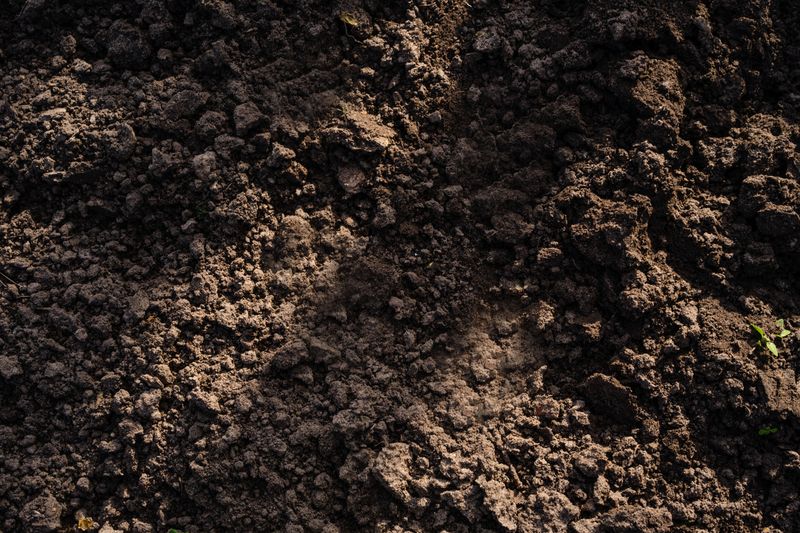
Golf course superintendents have used it for decades. Now homeowners are catching on. Lawn topdressing — the practice of spreading a thin layer of material over your existing turf — is one of the most powerful (and underused) techniques for building a thick, healthy, resilient lawn from the ground up.
It doesn’t look like much. A light dusting of compost across your grass can seem underwhelming when you first do it. But over time, topdressing consistently ranks as one of the most effective long-term strategies for improving soil quality, leveling a bumpy lawn, accelerating decomposition of thatch, and feeding the microbial life that makes your grass thrive.
This guide covers everything you need to know: what materials to use, when to do it, how to apply it, and how to combine topdressing with aeration and overseeding for maximum impact.
What Is Lawn Topdressing?
Topdressing is the process of spreading a thin, uniform layer of material — typically compost, sand, or a blended mix — over the surface of your lawn. The material works its way down between grass blades and into the soil, where it improves soil structure and feeds soil biology.
It’s not the same as simply dumping material on your lawn. Done correctly, topdressing uses a ¼-inch layer or less — thin enough that grass blades push through it within days. Done incorrectly (too thick), it smothers grass and causes more harm than good.
Why Topdress Your Lawn?
There are several compelling reasons to add topdressing to your lawn care routine:
- Improves soil structure: Regular compost topdressing increases organic matter, which improves both drainage in clay soils and water retention in sandy soils.
- Feeds soil microbes: Compost introduces and feeds the beneficial bacteria, fungi, and other organisms that drive nutrient cycling and disease suppression.
- Smooths an uneven lawn: Over several seasons, thin topdressing applications fill in minor depressions and create a flatter, more uniform surface.
- Accelerates thatch breakdown: Compost microbes actively decompose the thatch layer, reducing compaction and improving air flow to roots.
- Reduces the need for synthetic inputs: Lawns with healthy organic matter and active microbial life need less fertilizer, less water, and fewer pesticides over time.
Best Topdressing Materials: Compost, Sand, and Blended Mixes
Choosing the right material is critical. The wrong choice — especially sand applied incorrectly — can cause serious long-term damage.
Compost (Best All-Around Choice)
Finished, screened compost is the go-to topdressing material for most homeowners. It improves soil biology, adds organic matter, and gently feeds grass over weeks and months as microbes break it down.
Look for compost that is:
- Fully finished (dark, crumbly, earthy smell — not hot or ammonia-smelling)
- Finely screened (3/8-inch screen or finer) so it flows easily between grass blades
- Low in weed seeds (well-composted materials should be weed-seed free)
You can buy bagged screened compost at garden centers, or order bulk compost by the cubic yard from local suppliers. For large lawns, bulk delivery is far more economical — a single cubic yard of compost covers approximately 1,000 sq ft at a ¼-inch depth.
Best for: All soil types, especially clay and compacted soils. The best overall topdressing choice for most lawns.
Sand
Pure sand topdressing is common on golf course putting greens — but those greens are built on sand-based root zones to begin with. Applying sand to a native soil lawn is often a mistake.
When you add sand to clay soil without adequate organic matter, you can actually worsen drainage and create a concrete-like layer. This is the classic “adding sand to clay = cement” problem.
Sand is appropriate when:
- Your existing soil is already predominantly sandy
- You’re specifically trying to improve a sports field that gets heavy traffic and compaction
- You’re using it in a blended topdressing mix (not pure sand)
If you do use sand, use coarse horticultural sand (not play sand or fine masonry sand), and always blend it with compost.
Best for: Sandy-base lawns, high-traffic sports areas, and blended mixes only.
Topsoil
Bagged or bulk topsoil can work as a topdressing in a pinch, but quality varies enormously. Many topsoil products are heavy, contain weed seeds, and don’t screen finely enough to work well between grass blades.
If you use topsoil, make sure it’s screened, and ideally blend it with compost at a 50/50 ratio.
Best for: Filling larger depressions (more than ½ inch deep) before compost topdressing.
Blended Topdressing Mixes
Many professional lawn care companies and landscape suppliers sell custom blended topdressing mixes — typically a combination of compost, sand, and sometimes topsoil in varying ratios. A common professional blend is:
- 50% compost
- 30% coarse sand
- 20% topsoil
These blended mixes offer a good balance of immediate leveling, long-term organic matter improvement, and drainage. They’re an excellent choice if you can source them from a local supplier.
When to Topdress Your Lawn
Timing matters. The goal is to apply topdressing when your grass is actively growing so it can push through the new material quickly.
Best Times to Topdress
Early fall (September–October for cool-season grasses): This is the single best time to topdress most Northern lawns. Grass is actively growing, soil temperatures are still warm enough for microbial activity, and fall is the ideal season for overseeding — which pairs perfectly with topdressing.
Spring (April–May for cool-season grasses): A solid second choice. Grass is coming out of dormancy and growing vigorously. Avoid topdressing in early spring when soil is still waterlogged.
Late spring–early summer for warm-season grasses: Bermudagrass, Zoysia, and St. Augustine are best topdressed as they enter their peak growing season (May–June in most regions).
When NOT to Topdress
- During summer heat stress — grass is not growing vigorously enough to push through the topdressing material
- During winter dormancy — no active growth to incorporate the material
- When heavy rain is forecast within 24 hours — topdressing can wash away or create drainage problems
- Right after applying herbicide — you want grass growing freely, not suppressed
How Deep Should the Topdressing Layer Be?
¼ inch maximum per application. This is the golden rule of topdressing.
At ¼ inch, grass blades can push through within a few days to a week. At ½ inch or more, you risk smothering the grass. If your lawn has depressions deeper than ¼ inch, fill them in multiple applications over multiple seasons — or hand-fill the worst spots with topsoil before your regular topdressing.
For most home lawns, a single application per year is plenty. Golf courses and sports fields may topdress several times per season, but they’re also managing heavily trafficked, high-performance turf.
Step-by-Step Topdressing Process
What You’ll Need
- Topdressing material (compost or blended mix)
- Lawn leveling rake (also called a lute or landscape rake) — wide, flat-headed rake designed to spread material evenly
- Topdresser machine (optional for large lawns)
- Wheelbarrow or garden cart
- Garden hose or sprinkler
Step 1: Mow First
Mow your lawn slightly shorter than normal — drop down one height setting. This gives the topdressing material better access to the soil surface and makes it easier to spread without burying grass blades.
Step 2: Aerate (Highly Recommended)
Core aeration before topdressing dramatically increases effectiveness. Aerating pulls plugs of soil from the lawn, opening channels through which your topdressing material can work directly into the root zone. Without aeration, topdressing sits on the surface and works in more slowly.
Use a core aerator (plug aerator) — not a spike aerator. Spike aerators push soil down and can worsen compaction.
Leave the plugs on the lawn — they’ll break down in a few weeks and actually add to the topdressing benefit.
Step 3: Apply the Topdressing Material
For small lawns: Load compost into a wheelbarrow and dump small piles across the lawn, spacing them roughly 4–6 feet apart. Use a lawn leveling rake to spread each pile into a thin, even layer.
For medium to large lawns: A walk-behind topdresser machine is worth renting or purchasing. These machines spread material at a consistent depth and dramatically speed up the process. Most equipment rental companies carry them.
Spread from back to front in overlapping passes, similar to mowing. Aim for a consistent ¼-inch depth across the entire area.
Step 4: Work Material In
Use your lawn leveling rake to drag the material into aeration holes and work it between grass blades. This step is especially important if you did NOT aerate first. On small areas, a stiff-bristled push broom also works well.
Step 5: Overseed (Optional but Highly Recommended)
If you’re topdressing in fall (cool-season grasses) or early summer (warm-season grasses), this is the ideal moment to overseed. Spread grass seed at the appropriate rate, then water the topdressed, seeded area to make good seed-to-soil contact. The compost provides the perfect germination medium.
Step 6: Water In
Water lightly after topdressing to help the material settle into the lawn. Don’t wash it away — a light, even watering is sufficient. Continue watering normally for the next few weeks.
Equipment Options for Topdressing
Manual Methods (Best for Small Lawns Under 2,000 sq ft)
- Wheelbarrow + lawn leveling rake: The most basic approach. Labor-intensive but effective for small areas.
- Garden fork or stiff broom: Useful for working material into aeration holes on small patches.
Walk-Behind Topdressers (Best for Medium to Large Lawns)
Walk-behind topdresser machines hold 2–5 cubic feet of material and spread it evenly as you push them across the lawn. Brands like Earth & Turf make excellent residential models that can also spread compost, fertilizer, and seed.
Renting a topdresser for the day is the smart move for most homeowners. Many equipment rental companies carry them for $75–$150/day.
Tow-Behind Spreaders and Topdressers
For lawns over an acre, tow-behind units that attach to a riding mower are available. Brinly-Hardy makes a popular tow-behind spreader that can handle compost for larger properties.
Combining Topdressing with Aeration and Overseeding
The most powerful lawn renovation approach combines three practices in sequence:
- Core aerate — Relieves compaction, opens channels for topdressing material
- Topdress with compost — Fills aeration holes, improves soil biology and structure
- Overseed — Seeds have direct contact with compost, dramatically improving germination rates
This triple-play approach in early fall (for cool-season grasses) or late spring (for warm-season grasses) is widely considered the single most effective annual lawn care treatment available to homeowners. Many lawn care professionals charge significant premiums for this service package.
Results to expect:
- Year 1: Noticeably improved color and density after overseeding germinates
- Year 2–3: Measurably improved soil structure, thicker turf, reduced bare spots
- Year 3–5: Significantly higher organic matter, more drought-tolerant, less fertilizer-dependent lawn
Conclusion
Lawn topdressing is a long game, but it pays off enormously. A single application per year — done right, at the right time, with quality screened compost — consistently produces thicker, healthier, more resilient turf over time.
The key takeaways: use screened compost (not raw topsoil or pure sand on clay), apply no more than ¼ inch per application, time it to active growth periods, and combine with core aeration and overseeding for maximum results.
If you’re serious about your lawn, topdressing is the habit that separates the ordinary lawns from the ones that make neighbors stop and ask what you’re doing differently.

TurfTech HQ Editorial Team
Independent trade-focused editorial team