Leaf blower won’t start? Diagnose gas, battery, and corded
Quick answer
If a leaf blower won’t start, first identify whether it is gas, battery, or corded and record what it does: no response, normal cranking without ignition, a brief start followed by a stall, or an indicator code. Confirm the exact model’s controls and starting procedure, then check only external power, fuel, battery, cord, temperature, and intake items allowed by its manuals. Stop for fuel leaks, battery damage, smoke, heat, arcing, or a jammed impeller.
How to diagnose a leaf blower that won’t start
Separate gas, battery, and corded no-start symptoms, complete safe external checks, and prepare a useful service handoff.
1. Stop and isolate the blower
Move outdoors away from ignition sources, release the controls, wait for the fan to stop, and follow the exact manual to cool and isolate the power source before inspection.
2. Identify the complete system
Record the blower model and serial range plus the engine, battery, charger, or extension-cord specifications that apply. Retrieve matching manuals and current safety notices.
3. Classify the symptom
Note silence, a click or indicator, normal rope movement without ignition, a brief start followed by a stall, or shutdown after a repeatable runtime.
4. Record the failure moment
Write down whether the blower was cold, hot, just refueled, run dry, stored, wet, recently serviced, or working under heavy load.
5. Verify controls and external connections
Use the model-specific run, choke, throttle, lockout, battery seating, cover, cord-lock, outlet, and indicator instructions without bypassing any safety device.
6. Check the applicable energy source
Confirm manual-specified fuel and storage history, battery charge and condition, or outlet and extension-cord requirements. Stop for leaks, damage, heat, odor, smoke, or repeated protection trips.
7. Choose maintenance or service
Correct only an owner-serviceable item covered by the exact manuals. Use an authorized or qualified technician for internal fuel, ignition, wiring, motor, battery-pack, impeller, or live electrical work.
Common questions
- Why won’t my leaf blower start after sitting all winter?
- For a gas blower, stored or incorrect fuel and fuel-system deposits are common diagnostic directions; follow the exact manual for draining, disposal, refilling, and starting. For a battery blower, check the pack and charger indicators, storage temperature history, charge state, and pack condition. Do not improvise a fuel mix, battery reset, or internal repair.
- Why does my leaf blower start and then stop?
- A gas blower may be following the wrong choke progression or may have a fuel, air, ignition, or heat-related fault. A battery blower may be responding to low charge, temperature protection, poor contact, overload, or a blocked intake. A corded unit may have a loose or undersized cord, tripped protection, overheating, or a motor fault. Match the symptom to the exact manual.
- Can I test a leaf blower spark plug myself?
- Do not use a generic exposed-spark test around fuel or a hot engine. Inspect or replace a plug only when the exact manual assigns that procedure to the owner and after completing its shutdown, cooling, and accidental-start precautions. Otherwise, give the model and symptom log to a qualified technician.
Source note: Reviewed against the June 2026 Husqvarna 125B/125BVX manual, EGO LB6500 blower manual, Toro PowerJet F700 documentation, U.S. Fire Administration battery guidance, EPA E15 guidance, and CPSC outdoor-power-equipment safety material. Starting steps, fuel, battery, charger, cord, indicator, and isolation requirements vary by exact model.
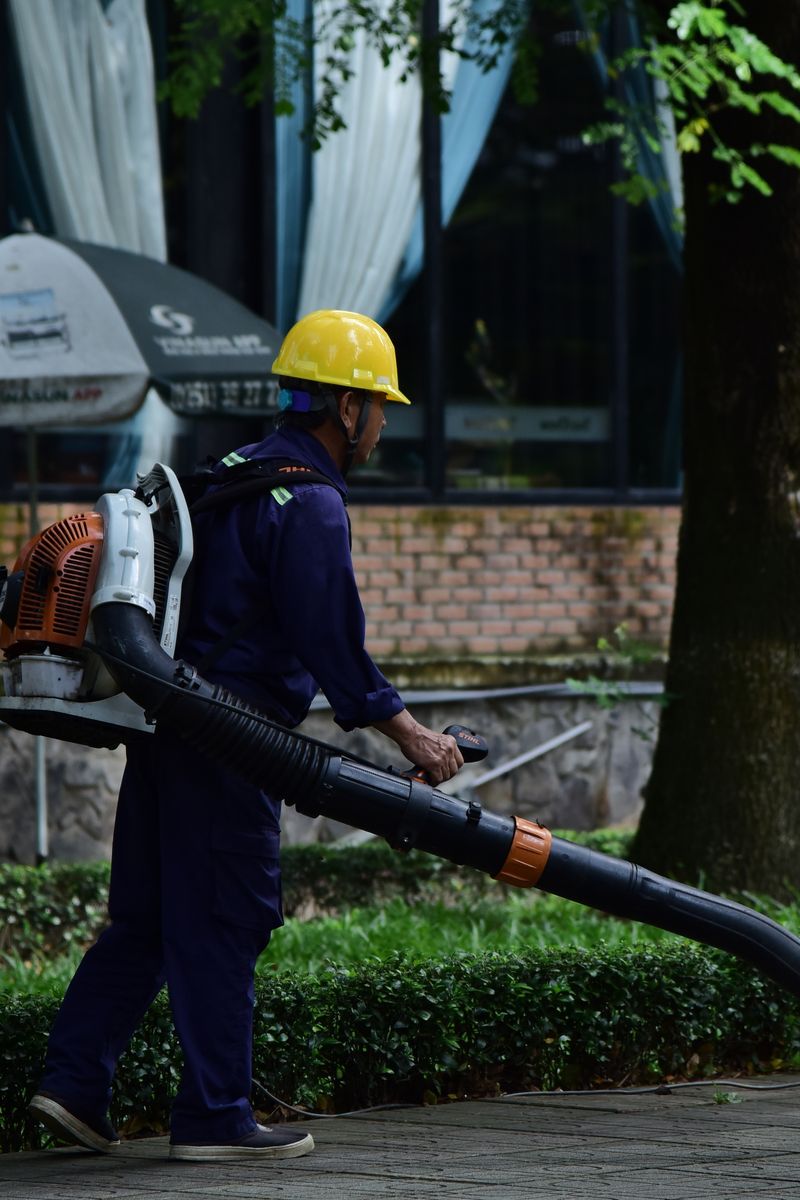
If your leaf blower won’t start, do not begin by replacing a carburetor, spark plug, switch, or battery. First identify the power type and the exact symptom: silent, clicks or shows a light, cranks but never fires, starts then stalls, or stops only when hot or under load.
That split usually points to a smaller, safer set of checks. Verify the model’s normal controls and start sequence, then inspect only the external fuel, battery, cord, temperature, and airflow items its manuals allow. Never bypass a cover switch or safety control, probe a sealed battery, or reach into the fan housing.
Leaf blower no-start diagnosis at a glance
| What happens | Gas blower | Battery blower | Corded blower |
|---|---|---|---|
| No response | Stop switch or model-specific control position; damaged starter or seized internal part needs service | Pack not seated, depleted, too hot or cold, poor contact, protection state | No outlet power, GFCI or breaker trip, loose cord, damaged plug, safety cover not latched |
| Cranks or tries to start | Wrong cold/warm procedure, unsuitable or stored fuel, flooding, fuel/air/ignition fault | Not applicable; record click, display, and LEDs instead | Not applicable; record hum, trip, heat, or odor instead |
| Starts, then stalls | Choke progression, fuel delivery, tank vent, air filter, ignition, or heat-related fault | Low charge, thermal protection, overload, contact loss, blocked intake | Loose connection, undersized cord, overheating, motor or switch fault |
| Failed after storage | Fuel and storage procedure become primary clues | Charge state, temperature history, and pack condition matter | Cord, plug, switch, pest damage, moisture, and corrosion need an external inspection |
| Failed after running out of energy | Follow the exact refueling, purge, and warm-start procedure | Recharge with the specified charger; read charger and pack indicators | Confirm the circuit is live and no protective device tripped |
This table chooses the next manual section; it does not confirm a failed part.
Stop before troubleshooting these warning signs
Keep the blower out of service for leaking fuel, persistent fuel odor, smoke, arcing, melted plastic, a damaged cord, severe vibration, impact damage, or an impeller that does not stop normally. Do the same for a battery that is swollen, cracked, leaking, unusually hot, hissing, or producing an unusual odor.
The U.S. Fire Administration’s battery guidance says to stop using a lithium-ion battery for excessive heat, shape or color change, leaking, odor, or odd noises. Move away and call emergency services for smoke or fire rather than carrying or opening the pack.
Before any inspection, let a gas blower cool and follow its spark-plug isolation instructions; remove a battery pack when its manual directs; unplug a corded blower. Wait for the fan to stop. The CPSC garden-equipment guidance calls for unplugging electric tools or disconnecting a gas tool’s spark-plug wire before adjustments or obstruction work.
Record five facts before changing anything
Write down:
- Exact identity: blower model, serial range, and engine model; battery and charger model; or cord and electrical requirements.
- Failure moment: cold, hot, after refueling, after running dry, after winter storage, after rain, or after an impact or repair.
- Response: silence, click, LED color and pattern, display message, starter-rope feel, brief firing, or time until shutdown.
- Energy history: fuel type and purchase date, storage steps, battery charge and storage temperature, or outlet and extension-cord details.
- Controls: stop/run switch, choke or purge state, speed lock, trigger lockout, tube or inlet cover, and any OEM error indicator.
Photograph labels and indicators before disconnecting anything. A landscaper should attach the record to the asset log; the model-and-serial discipline in our commercial mower maintenance checklist also works for a blower fleet, but the service intervals must come from each blower manual.
Gas leaf blower won’t start
Cold, hot, and just-refueled starts are different
Retrieve the manual for the exact model and serial range. The June 2026 Husqvarna 125B/125BVX operator’s manual uses different cold- and warm-engine sequences and a model-specific stop-switch reset. That is why a universal number of primer pushes, choke position, or rope pulls is unreliable.
Set only the controls named in your manual. If the engine is hot, let it cool as directed and use the hot-start procedure; repeatedly applying a cold-start sequence can flood some engines. After the tank ran dry, follow the manufacturer’s refueling and purge instructions rather than guessing.
Check fuel history without inventing a fuel recipe
Confirm the fuel grade, ethanol limit, oil type, mix ratio, and storage window printed for that engine. Do not assume every handheld blower uses the same mix, and do not add extra oil, automotive oil, or an undocumented additive.
Fuel sold as E15 is not approved for nonroad equipment such as lawnmowers and chainsaws under current EPA E15 guidance. The engine manual can impose a stricter limit, so its label still controls.
After seasonal storage, note whether the manufacturer required draining the tank or using a particular storage procedure. Dispose of unsuitable fuel under local rules in an approved container. Never drain it onto the ground, work near a flame or pilot light, or refuel a running or hot engine.
If it starts and then dies
Record how long it runs and whether choke movement, throttle, temperature, or tank level changes the symptom. Inspect an owner-serviceable air filter and visible exterior fuel condition only as the manual directs. Stop for wetness, cracking, a loose cap, or persistent fuel odor.
Carburetor cleaning or adjustment, tank-vent testing, fuel-line replacement, ignition testing, compression testing, and exhaust-screen service can require model-specific tools and procedures. Do not perform an exposed-spark test near fuel, change a carburetor setting from a forum post, or run without the air filter.
If the no-start began after a new carburetor or other repair, record the part number and every disturbed hose, gasket, control, and linkage. A new but incorrect part, a sealing error, or altered setup can create a second fault; do not compensate with an undocumented mixture or throttle adjustment.
Battery leaf blower won’t start
Remove the pack and inspect the outside of the tool, pack, latch, and accessible contacts in a dry area. Do not insert metal, solvent, or abrasive material into the terminals. Reinstall the pack until the model’s normal latch confirmation occurs, then record the tool, pack, and charger lights exactly.
Next, use the charger specified for that battery system. A green light, flashing orange light, or alternating pattern can mean different things across brands and models. The EGO LB6500 manual, for example, lists an unseated or depleted pack, lack of electrical contact, temperature protection, and a control-state protection as separate no-start directions. Its correction depends on that exact model rather than a universal battery reset.
If the manuals permit it, a charged, undamaged, known-good compatible pack can separate a tool problem from one pack problem. Do not use an adapter, bridge terminals, open the pack, or substitute a battery simply because its voltage label looks similar.
For a blower that stops after several minutes, note ambient temperature, load, turbo use, charge, and the LED pattern. Let the tool and pack return to the manual’s operating range; clear only visible debris from the tube or intake after removing the battery. Repeated thermal shutdown, damaged contacts, a fan rub, or failure with multiple approved packs needs service.
Backpack battery blowers may require a particular number, position, or state of packs. Use the pack-loading diagram for the exact harness and tool rather than assuming one pack can power every mode. If you are deciding whether the form factor still fits the route, keep that choice separate with our backpack vs. handheld leaf blower guide.
Corded electric leaf blower won’t start
Switch the blower off and unplug it. Check the plug, cord lock, tool lead, extension cord, and accessible housing for cuts, crushing, loose blades, discoloration, or melting. A damaged or hot connection is a stop condition, not something to tape over.
Confirm the outlet works with a suitable tester or known-good device. Reset a GFCI or breaker once only after removing the blower; if protection trips again, stop and have the circuit or tool evaluated. Use an outdoor-rated extension cord within the wire gauge and maximum length specified by the blower manual.
The Toro PowerJet F700 documentation provides manuals by model and serial range, and its corded design uses a cord lock and variable-speed control. Other blower-vac models may also require an inlet cover, tube, or collection component to be locked before the motor can run. Never tape down or bypass that interlock.
A hum without fan movement, repeated breaker trip, burning odor, internal rattle, or failure on a verified suitable supply belongs with a qualified service technician. Do not open a double-insulated housing or perform live voltage tests unless the service documentation and your electrical qualifications allow it.
When to stop testing and book service
Arrange service when correct manual procedures and external checks do not restore operation, or diagnosis would require internal fuel, ignition, motor, wiring, impeller, or battery work. Keep workplace equipment tagged out and give the technician:
- The model, serial range, engine, battery, and charger identities
- The exact failure moment and repeatable runtime
- Fuel or charging and storage history
- Indicator colors, patterns, and displayed errors
- Recent impacts, water exposure, parts, or service
- Checks completed and whether a known-good approved power source changed the result
If repair cost and parts availability no longer make sense, compare power source and workload in the best leaf blower guide, then use the CFM vs. MPH worksheet instead of buying by one peak number.
Next step: follow one branch, then stop guessing
Identify the complete blower system, classify the symptom, and follow the matching manual path. Correct one verified external issue at a time and record the result.
If the same no-start or start-then-stall symptom remains, stop swapping parts. A concise diagnostic log is safer and more valuable to a technician than a changed carburetor setting, bypassed interlock, improvised battery reset, or damaged screw from the wrong procedure.
Sources and image credit
- Husqvarna: 125B/125BVX operator’s manual, June 2026
- EGO: LB6500/LB6500-FC operator’s manual
- Toro: PowerJet F700 product manuals by serial range
- U.S. Fire Administration: battery fire safety
- U.S. EPA: E15 fuel guidance
- U.S. Consumer Product Safety Commission: garden-equipment safety
- Pexels image by Sóc Năng Động
Keep diagnosis separate from replacement shopping
Use these resources after recording the no-start symptom to compare blower type, carrying format, performance specifications, and fleet records.
- Leaf blower buying guide
Compare replacement power sources and ownership needs only after the repair decision is clear.
- Backpack vs. handheld blower
Separate carrying format and fatigue from the current tool’s no-start fault.
- Leaf blower CFM vs. MPH
Use the comparison worksheet instead of replacing a failed blower by one peak number.
- Commercial equipment recordkeeping
Adapt the asset-record and defect-tagging framework while keeping blower-specific intervals.

TurfTech HQ Editorial Team
Independent trade-focused editorial team